May
28

- by Dhruv Ainsley
- 0 Comments
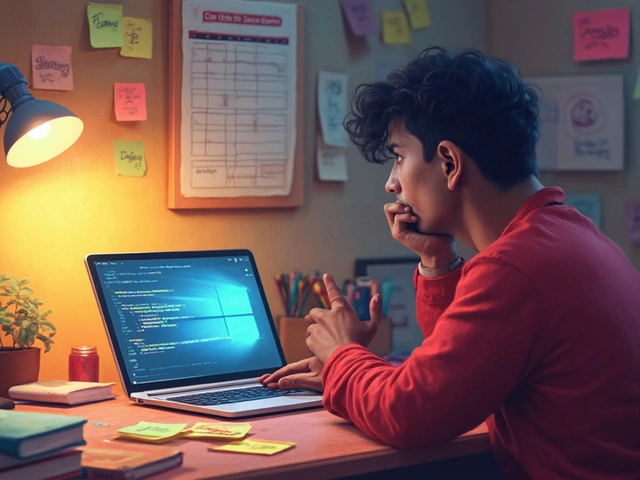
You sit down with your laptop, open a video titled 'Learn English in 30 Days,' and feel a surge of motivation. The host is energetic, the graphics are slick, and you think this is finally the breakthrough you’ve been waiting for. Fast forward two weeks: you’ve watched forty videos, but when someone asks you how your week was, you still freeze up. You understand the grammar rules in your head, but your mouth won’t move. This is the classic trap of passive learning.
The short answer to is it possible to learn English from YouTube? Yes. Absolutely. But not if you treat it like Netflix. YouTube is a massive library of resources, ranging from high-quality academic lectures to chaotic vlogs. The platform itself doesn’t teach you; it only provides the material. The difference between someone who becomes fluent and someone who just watches hours of content comes down to one thing: active engagement. If you want to actually speak the language, you have to stop watching and start doing.
Why do most people fail to learn English on YouTube?
Most people fail because they consume content passively. They watch videos without pausing, repeating, or writing things down. Learning a language requires output (speaking/writing), not just input (listening/watching). Without active practice, the brain treats the information as entertainment rather than data to be memorized.
The Input Hypothesis: Why Listening Isn't Enough
Linguist Stephen Krashen popularized the idea that we acquire language by understanding messages that are slightly above our current level. This is known as "comprehensible input." YouTube is perfect for this. You can find channels tailored specifically to beginners, intermediate learners, and advanced speakers. However, listening alone builds recognition, not production. You might recognize the word "schedule" when you hear it, but that doesn't mean you can use it correctly in a sentence during a job interview.
To bridge this gap, you need to combine input with output. When you watch a video, don't just let the audio wash over you. Pause every thirty seconds. Repeat what the speaker said aloud. Mimic their intonation. If they say, "I'm going to the store," say it back. Feel where the stress falls on the words. This technique, called shadowing, forces your brain to connect the sound of the language with the physical movement of your tongue and lips. It turns a passive activity into an active workout for your speech muscles.
Consider the channel English Addict with Mr Steve, which focuses on natural, everyday English phrases used in real-life situations. Unlike traditional textbooks that teach rigid structures, Mr. Steve shows you how native speakers actually talk-using contractions, slang, and fast-paced connections between words. By mimicking these natural patterns, you train your ear to catch subtle cues that formal classes often miss.
Choosing the Right Content for Your Level
One of the biggest mistakes learners make is picking content that is either too easy or too hard. If you’re a beginner, watching complex political debates or fast-paced comedy sketches will overwhelm you. You’ll zone out after five minutes because your brain can’t process the speed or vocabulary. On the flip side, if you’re intermediate and only watch slow, exaggerated "learner English" channels, you’ll plateau. You won’t develop the ability to handle natural conversation speeds.
Here’s a practical breakdown of what to watch based on your proficiency:
- Beginner (A1-A2): Look for channels dedicated to teaching specific grammar points or basic vocabulary. Channels like BBC Learning English offer structured lessons with clear visuals and subtitles. Focus on topics you already know in your native language so you can deduce meaning from context.
- Intermediate (B1-B2): Start mixing educational content with entertainment. Watch vloggers who talk about their daily lives, hobbies, or travel experiences. Their speech is more natural but usually clearer than news anchors. Try watching without subtitles first, then turn them on to check your understanding.
- Advanced (C1-C2): Dive into specialized content. Listen to podcasts hosted on YouTube, watch TED Talks, or follow creators in your field of interest (tech, cooking, finance). At this stage, you’re refining nuance, idioms, and cultural references rather than learning basic words.
If you are looking for more structured options beyond free video content, there are various platforms available. For instance, some users explore curated directories for specific services or communities, such as kizdar net, though for language learning, sticking to educational hubs remains the most effective path.

The Power of Subtitles: Friend or Foe?
Subtitles are a double-edged sword. On one hand, they help you connect spoken words with their written forms, reinforcing vocabulary. On the other hand, your brain is wired to read faster than it listens. If you rely too heavily on text, you’ll stop truly listening to the audio. You’ll skim the words and miss the pronunciation, rhythm, and tone.
A better strategy is to use subtitles strategically. Here’s a three-step method:
- First Watch: Turn off all subtitles. Try to grasp the general idea. Don’t worry about missing details. This trains your ear to focus on sound.
- Second Watch: Turn on English subtitles. Note down new words or phrases you didn’t catch earlier. Pay attention to how spelling differs from pronunciation.
- Third Watch: Turn off subtitles again. See if you can now understand the parts that confused you before. If not, pause and repeat those sections.
Avoid using subtitles in your native language unless you are at a very early stage. Relying on translation prevents you from thinking directly in English. You want to build a mental link between the concept and the English word, not the concept and your native word.
Building a Sustainable Study Routine
Motivation fades quickly. What keeps you going is habit. Trying to study for three hours once a week is far less effective than studying for twenty minutes every day. Language acquisition is a marathon, not a sprint. Your brain needs consistent exposure to rewire itself for a new linguistic system.
Create a simple schedule. Maybe you listen to an English podcast during your commute, watch one short YouTube lesson during lunch, and review new vocabulary before bed. Consistency matters more than intensity. Even ten minutes a day adds up to six hours a month. That’s enough time to significantly improve your listening comprehension and vocabulary retention.
Also, track your progress. Keep a journal of new words you learn. Write down sentences using those words. Record yourself speaking and compare it to the native speakers you watch. Hearing your own voice helps you identify areas for improvement, such as mispronounced vowels or awkward pauses.

Common Pitfalls to Avoid
Many learners fall into the trap of "collector’s mentality." They subscribe to dozens of channels, save hundreds of videos to playlists, and feel productive because they’ve gathered so much material. But gathering isn’t learning. If you don’t actively engage with the content, it’s useless. Pick one or two high-quality channels and stick with them until you’ve exhausted their value.
Another pitfall is ignoring grammar entirely. While immersion is powerful, some structural knowledge helps you decode complex sentences. You don’t need to memorize every rule, but understanding basic sentence structure (subject-verb-object) makes listening much easier. Use YouTube to clarify specific grammar questions rather than trying to learn everything from scratch through osmosis.
Finally, don’t neglect speaking. Watching videos improves your input skills, but you need output to become fluent. Use language exchange apps, hire a tutor, or even talk to yourself in English. Describe what you’re doing as you cook dinner. Narrate your walk outside. The goal is to make English a part of your daily life, not just a subject you study online.
Conclusion: Take Control of Your Learning
YouTube is a goldmine for English learners, but it requires discipline. You must shift from being a passive viewer to an active participant. Choose content that matches your level, use subtitles wisely, mimic native speakers, and build a consistent routine. Remember, fluency isn’t about knowing every word; it’s about communicating effectively. With the right approach, you can absolutely learn English from YouTube-and enjoy the journey along the way.
Can I become fluent in English using only YouTube?
Yes, it is possible to reach a high level of fluency using only YouTube, provided you actively practice speaking and writing. However, supplementing YouTube with conversation partners or tutors will accelerate your progress significantly, especially for correcting pronunciation and building confidence in real-time interactions.
What are the best YouTube channels for learning English?
Popular and highly rated channels include BBC Learning English for structured lessons, English Addict with Mr Steve for natural phrases, and mmmEnglish for grammar and pronunciation. For advanced learners, TED Talks and Vlogbrothers offer excellent exposure to diverse accents and topics.
How long should I study English on YouTube each day?
Aim for at least 15-30 minutes daily. Consistency is key. Short, frequent sessions are more effective than long, infrequent ones because they keep the language fresh in your mind and prevent burnout.
Should I use subtitles when watching English videos?
Use English subtitles sparingly. Ideally, watch without them first to train your listening skills. Use English subtitles on a second viewing to check comprehension and learn new vocabulary. Avoid native-language subtitles as they hinder direct association between English sounds and meanings.
Is YouTube better than a classroom for learning English?
YouTube offers flexibility, variety, and cost-effectiveness, making it great for self-motivated learners. Classrooms provide structured feedback, peer interaction, and accountability. Combining both approaches often yields the best results: use YouTube for input and practice, and a class or tutor for correction and conversation.

Dhruv Ainsley
I am an education specialist with a focus on international educational systems, particularly in India. I enjoy exploring how educational practices can be improved to foster better learning environments. Writing about such topics allows me to share insights and encourage meaningful discussions. My work seeks to inspire educational reforms that prioritize inclusive and quality learning experiences.