Aug
25
- by Dhruv Ainsley
- 0 Comments
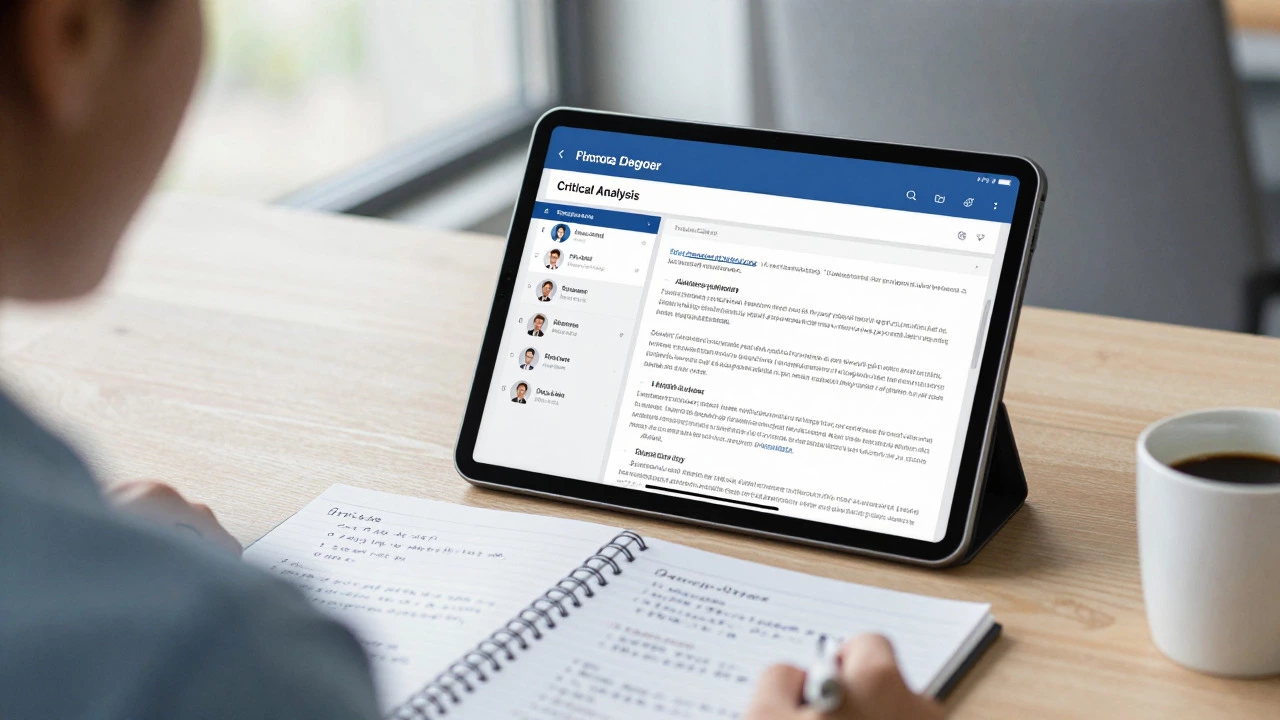
eLearning Design Readiness Checker
Analysis
Define the problemDesign
Map the journeyDevelopment
Build assetsImplementation
Launch & manageAnalysis Checklist
Overall Project Readiness
Most online courses fail not because the topic is boring, but because the structure is broken. You’ve likely seen it: a module that jumps from theory to complex tasks without context, or an assessment that tests memory instead of application. These gaps usually trace back to skipping one of the four critical phases in eLearning is a systematic process of creating digital learning experiences using technology like Learning Management Systems (LMS) and multimedia assets. While many designers focus heavily on the "Design" phase, true effectiveness comes from balancing all four stages equally.
This guide breaks down the standard framework used by professional instructional designers. We’ll look at how each stage connects to the next, why skipping steps causes costly rework, and how to apply these principles whether you are building a corporate compliance course or a public-facing webinar series. The goal isn’t just to follow a checklist; it’s to understand the logic behind the flow so you can adapt it to your specific constraints.
Analysis: Defining the Problem Before the Solution
The first stage is Analysis, and it is where most projects go off the rails. Many creators jump straight into writing content because they know the subject well. But knowing the subject is different from understanding who needs to learn it and why. In this phase, you identify the performance gap. What is the learner struggling with? Is it a lack of knowledge, a skill deficit, or a motivation issue?
You also define the audience profile here. Are they beginners or experts? Do they have access to computers during work hours, or only mobile devices? This data drives every subsequent decision. For example, if your audience consists of warehouse workers, long text-heavy modules will fail. If they are senior developers, basic definitions will bore them. During analysis, you also set measurable objectives. Instead of saying "learners will understand sales," you specify "learners will correctly classify customer leads using the BANT framework." This clarity prevents scope creep later.
- Audience Profiling: Determine technical proficiency, learning style preferences, and device usage.
- Goal Setting: Define what success looks like in measurable terms (KPIs).
- Constraint Identification: Note budget limits, timeline pressures, and available tools.
Design: Mapping the Learning Journey
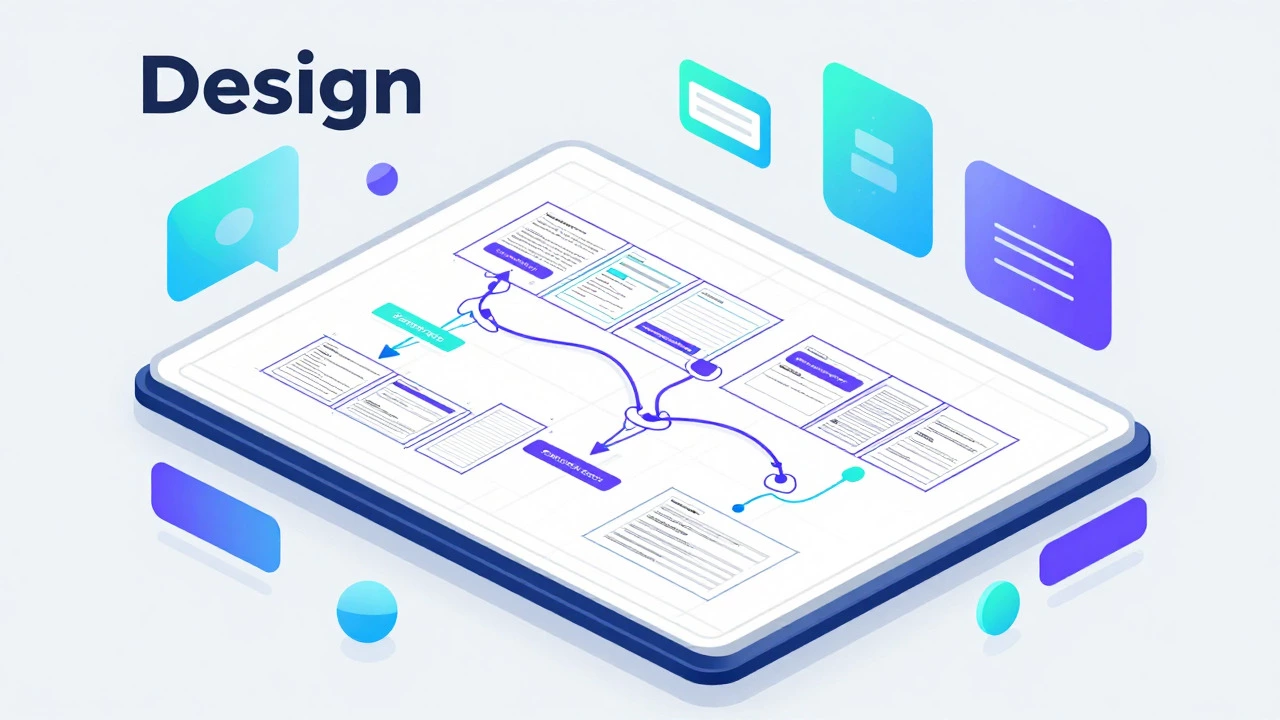
Once you know the problem and the people, you move to Design. This is the blueprint phase. Think of it as the architectural drawing before you lay bricks. Here, you decide the pedagogical approach. Will you use a linear step-by-step method, or a non-linear exploratory one? You outline the sequence of topics, ensuring that foundational concepts come before advanced applications.
A key part of this stage is creating the storyboard. This document details exactly what appears on each screen, what the narrator says, and what interactions the learner must perform. It serves as the contract between the designer and the developer. Without a solid storyboard, developers guess, leading to inconsistencies. You also choose the assessment strategy here. Do you need quizzes after every section, or one comprehensive exam at the end? The design phase ensures that every element has a purpose tied back to the objectives defined in the Analysis stage.
| Approach | Best For | Risk if Misapplied |
|---|---|---|
| Linear Step-by-Step | Compliance training, new hire onboarding | Boredom for expert audiences |
| Non-Linear Exploratory | Advanced software skills, research-based topics | Confusion for beginners lacking foundation |
| Mixed Method | General professional development | Inconsistent user experience if not carefully curated |
Development: Building the Digital Assets
Now you build. The Development stage transforms your storyboards into actual eLearning modules are interactive digital packages containing video, audio, text, and assessments delivered via an LMS. This involves recording voiceovers, designing graphics, coding interactions, and uploading content to your Learning Management System (LMS). It is the most labor-intensive phase, requiring coordination between writers, graphic designers, and developers.
Quality control is vital here. You check for typos, ensure videos load quickly, and verify that buttons work on different browsers. A common pitfall is over-designing. Adding flashy animations that don’t aid learning increases file size and slows down the experience. Keep the interface clean. The technology should support the content, not distract from it. During this phase, you also integrate the assessments designed earlier, ensuring they align perfectly with the lesson material.
Implementation: Launching and Managing Access
With the content built, you enter Implementation. This is the rollout phase. You assign learners to the course within your LMS, send notifications, and monitor initial engagement. It’s not just about pushing a button; it’s about change management. If employees are forced to take a new safety course, they might resist. Clear communication about *why* the course matters helps reduce friction.
You also handle technical logistics. Does the LMS sync with your HR system? Can learners complete the course offline? During implementation, you watch the early data closely. If 50% of users drop off in the first five minutes, there’s a problem. This stage requires agility. You might need to adjust deadlines or provide additional support channels. The goal is smooth adoption, not just completion.

Evaluation: Measuring Impact and Iterating
The final stage is Evaluation, which is often treated as an afterthought. But evaluation is where you determine if the course actually worked. Did performance improve? Did error rates drop? You gather data through post-course surveys, quiz scores, and behavioral observations. There are two levels of evaluation: reaction (did they like it?) and results (did it change behavior?). Both matter, but results carry more weight for business value.
Crucially, evaluation feeds back into Analysis. If the data shows that learners struggled with a specific concept, you return to the beginning to refine the next iteration. eLearning is rarely a one-time event; it’s a continuous cycle. By closing the loop, you ensure that future versions are sharper, more relevant, and more effective than the last.
Frequently Asked Questions
Do I need to follow the four stages in strict order?
Ideally, yes, but small projects can overlap phases. For example, you might start designing while still finishing analysis. However, never skip Analysis entirely, as it sets the foundation for everything else. If you skip it, you risk building a course no one needs.
What is the difference between Design and Development?
Design is the planning phase where you create the blueprint, such as storyboards and scripts. Development is the execution phase where you build the actual media files, code the interactions, and assemble the module in authoring tools. Design is thinking; Development is making.
How long does each stage typically take?
It varies widely based on complexity. A simple text-based module might take two weeks total. A complex interactive simulation could take three months. Analysis and Design usually account for 40% of the time, while Development takes up the bulk of the remaining 60%. Evaluation happens continuously but intensifies after launch.
Can I evaluate a course before it launches?
Yes, this is called pilot testing or formative evaluation. You show a draft version to a small group of target learners to find bugs and confusing sections before the full rollout. This saves money by fixing issues early rather than after thousands of users have experienced them.
Is the ADDIE model the only way to do eLearning?
No, ADDIE (Analysis, Design, Development, Implementation, Evaluation) is the most common framework, but others exist like SAM (Successive Approximation Model), which focuses on rapid prototyping. However, the core logic of analyzing needs before building remains universal across all methodologies.

Dhruv Ainsley
I am an education specialist with a focus on international educational systems, particularly in India. I enjoy exploring how educational practices can be improved to foster better learning environments. Writing about such topics allows me to share insights and encourage meaningful discussions. My work seeks to inspire educational reforms that prioritize inclusive and quality learning experiences.