Apr
7
- by Dhruv Ainsley
- 0 Comments
eLearning Terminology Finder
Not sure which term to use? Select the scenario that best describes your goal to find the correct industry terminology.
Corporate Management
Personalized Growth
Academic Degree
Live Interaction
Quick Wins
On-the-Go
Select a scenario to see the term
Click any of the options on the left to find the professional terminology you need.
Term Name
Description goes here.
Quick Guide to Learning Terms
- eLearning: The broad umbrella for any learning using electronic media.
- LMS: The actual software used to deliver and track the courses.
- Distance Education: A more traditional term for learning away from a physical classroom.
- Virtual Learning: Focuses on the simulation of a live classroom environment.
- mLearning: Specifically refers to learning on mobile devices.
The Big Umbrella: What Exactly is eLearning?
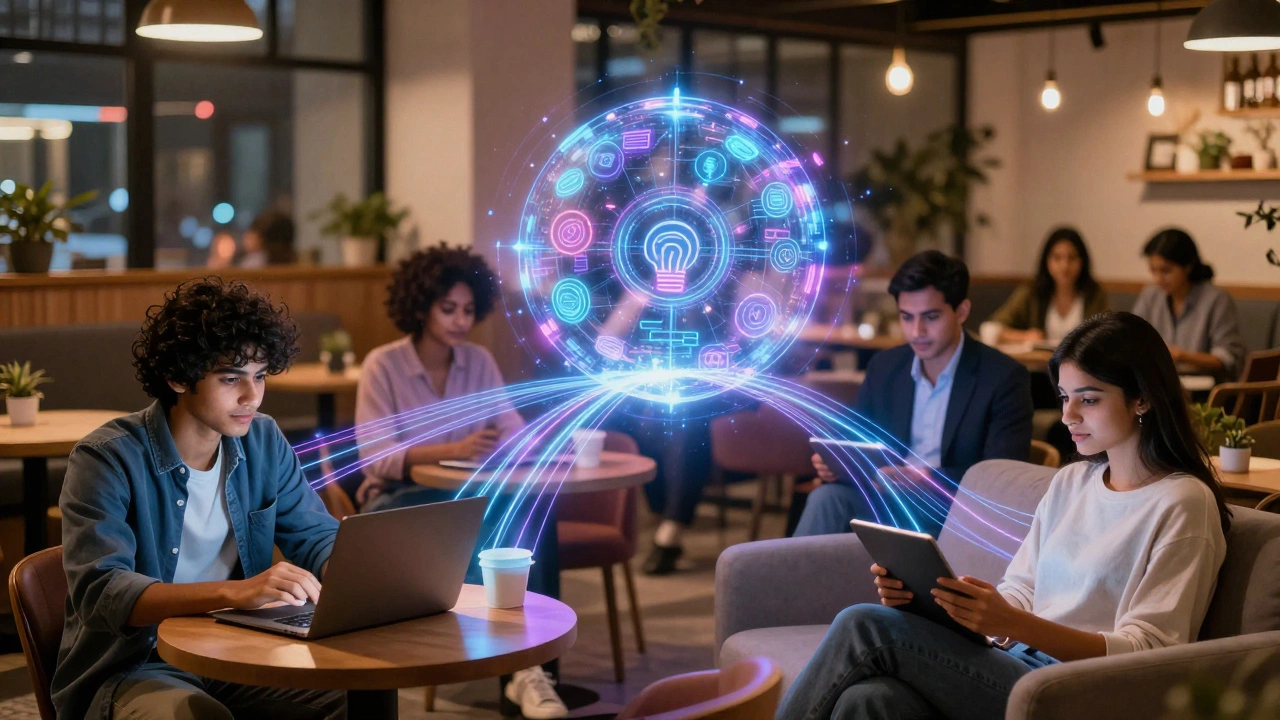
At its core, eLearning is the delivery of learning and training through digital resources. It is not just about watching a video; it covers everything from a simple PDF guide to a complex VR simulation. Whether you are taking a 5-minute safety quiz at work or a four-year degree from a laptop in a cafe, you are participating in eLearning.
The term has evolved. Back in the day, it was mostly about "Computer Based Training" (CBT), where you had a CD-ROM and a slow monitor. Now, it is cloud-based and social. Today, eLearning terminology reflects this shift toward flexibility and accessibility. It is no longer just a substitute for a classroom; it is often a better way to learn because you can pause, rewind, and search for specific information instantly.
The Corporate Side: LMS and LXP
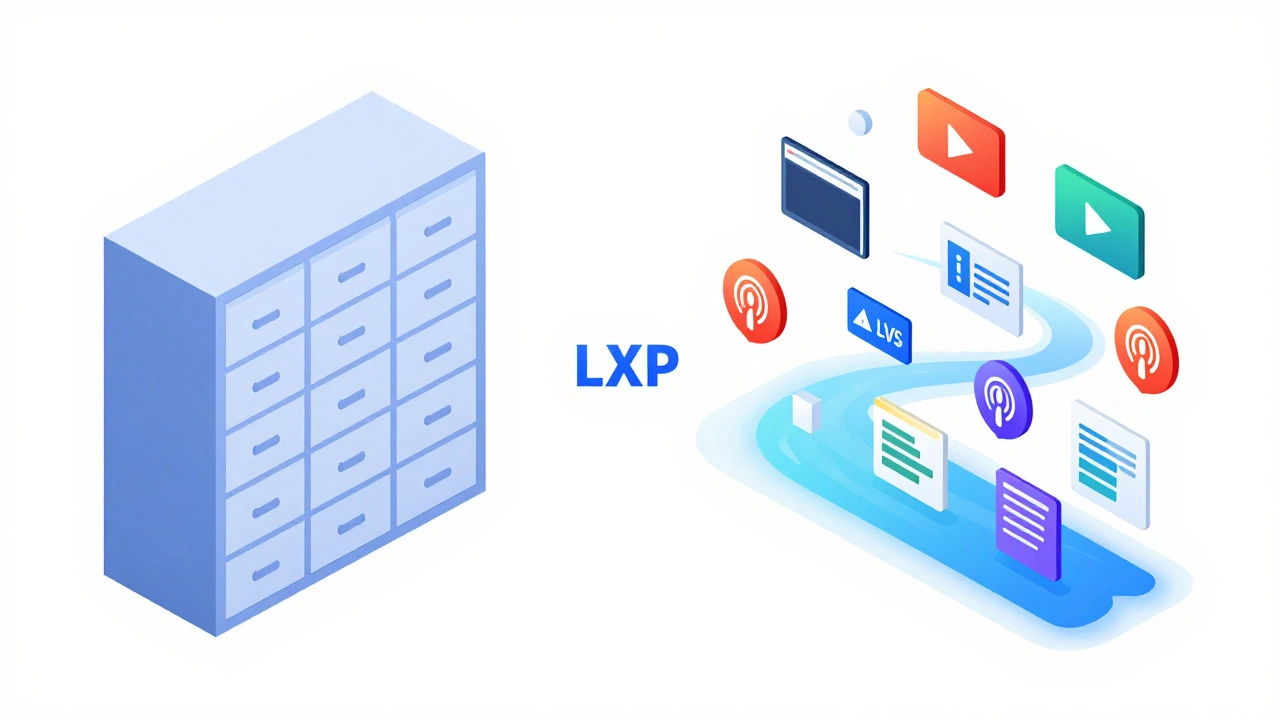
If you are in a business setting, you will rarely hear the phrase "distance education." Instead, you will hear about the LMS. An LMS, or Learning Management System, is the backbone of corporate training. Think of it as the digital filing cabinet and classroom combined. It handles the enrollment, tracks who finished the "Ethics 101" module, and generates reports for the boss.
But a new player has entered the game: the LXP. A Learning Experience Platform is less about "management" and more about the "experience." While an LMS tells you what you must learn (top-down), an LXP suggests what you might like based on your interests (bottom-up). It is like the difference between a school curriculum and a Netflix recommendation engine for skills.
| Feature | LMS (Management System) | LXP (Experience Platform) |
|---|---|---|
| Focus | Compliance and Tracking | Personalization and Discovery |
| Approach | Top-Down (Assigned) | Bottom-Up (User-driven) |
| Content | Structured Courses | Diverse (Blogs, Videos, Podcasts) |
| Goal | Certification / Completion | Continuous Skill Growth |
Academic Terms: Distance Education and Virtual Learning
In the world of universities and K-12 schools, the language shifts. Distance Education is an older term. It refers to the physical gap between the teacher and the student. In the 1800s, this meant correspondence courses via mail. Today, it means the same thing, but the "mail" is a high-speed internet connection.
Then there is Virtual Learning. This usually implies a more interactive, synchronous experience. If you are logging into a Zoom call at 10 AM to discuss a project with a teacher and peers in real-time, that is virtual learning. It is essentially a digital twin of a physical classroom.
You might also encounter the term Blended Learning. This is a hybrid approach. For example, a student might watch a lecture video at home (online) and then come into a lab on Wednesday to apply that knowledge (in-person). This is widely considered the "gold standard" because it combines the efficiency of digital tools with the social nuance of human interaction.
The Modern Niche: Microlearning and mLearning
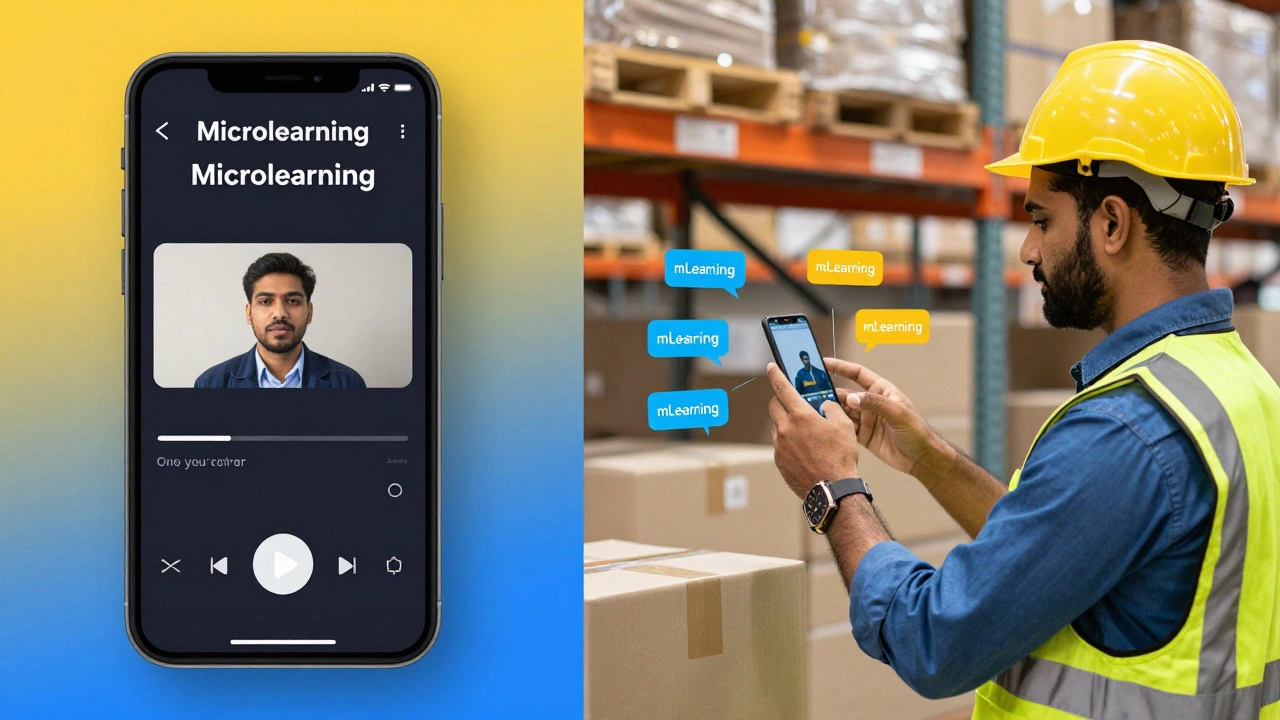
As our attention spans have shrunk, the way we name learning has changed too. Microlearning is a method where content is broken down into tiny, bite-sized chunks. Instead of a two-hour seminar on "How to Use Excel," you get a three-minute video on "How to Create a Pivot Table." It targets the "just-in-time" need, providing a solution exactly when the user is struggling with a task.
Closely tied to this is mLearning, which is simply eLearning optimized for mobile devices. It isn't just about making a website smaller to fit a phone screen. It's about using the device's unique features, like push notifications to remind you to practice a language or using the camera for augmented reality (AR) training in a warehouse.
Which Term Should You Use?
Choosing the right word depends on your goal. If you are searching for a software to train 500 employees on safety regulations, search for an "LMS." If you are looking for a way to earn a degree without moving to another city, look for "Distance Education" or "Online Programs." If you want to learn a new hobby in 5-minute bursts, look for "Microlearning" apps.
The common thread is that the technology is now invisible. We don't call it "Internet-enabled knowledge acquisition"; we just call it learning. Whether it is a MOOC (Massive Open Online Course) or a simple tutorial, the goal remains the same: getting information from one brain to another as efficiently as possible.
Is eLearning the same as online learning?
Essentially, yes. "Online learning" is the more common, casual term. "eLearning" is the industry term used by professionals and developers to describe the whole ecosystem of electronic learning, including offline digital tools like software simulations.
What is a MOOC?
MOOC stands for Massive Open Online Course. These are free or low-cost courses available to anyone with an internet connection, often hosted by platforms like Coursera or edX, and designed for thousands of students at once.
What is the difference between Synchronous and Asynchronous learning?
Synchronous learning happens in real-time (like a live webinar or a Zoom class). Asynchronous learning is self-paced (like a pre-recorded video or a reading assignment) where you access the material whenever you want.
What is Adaptive Learning?
Adaptive learning uses AI to change the difficulty or type of content based on the student's performance. If you ace a quiz, the system skips the easy stuff and jumps you ahead to a more challenging level.
Why is it called "Distance Education"?
It is a historical term from when the only way to learn from a far-away teacher was through the post. While it now mostly refers to online degrees, the name stuck to describe the physical separation between learner and instructor.
Next Steps for Learners and Creators
If you are a learner, start by identifying your style. Do you prefer the structure of a virtual classroom (Synchronous) or the freedom of a pre-recorded course (Asynchronous)? Try a mix of microlearning for quick wins and a full-scale online course for deep mastery.
For those creating content, don't just upload a long video and call it a course. Think about the "job to be done." Use an LMS to track progress, but integrate LXP-style recommendations to keep users engaged. Break your content into micro-modules to prevent learner burnout, and ensure everything is mLearning-ready so your students can learn on the train or during a break.

Dhruv Ainsley
I am an education specialist with a focus on international educational systems, particularly in India. I enjoy exploring how educational practices can be improved to foster better learning environments. Writing about such topics allows me to share insights and encourage meaningful discussions. My work seeks to inspire educational reforms that prioritize inclusive and quality learning experiences.