Sep
4

- by Dhruv Ainsley
- 0 Comments
Vocational Career Finder 2026
Not sure which trade is right for you? Filter the most in-demand vocational courses of 2026 by your priorities: high pay, quick entry, or job stability.
No courses match this specific filter combination. Try selecting "All Courses".
Think about the last time you called a plumber. Did they have a PhD? Probably not. Did they charge you $150 an hour to fix a leaky tap that took twenty minutes? Absolutely. That gap between high demand and specialized skill is exactly why vocational education is having its biggest moment in decades. You don't need four years of debt-ridden university study to build a lucrative career anymore. In fact, for many people, a two-year diploma or certificate offers a faster route to employment with less financial risk.
But here is the problem: "Vocational" is a massive umbrella. It covers everything from welding to web design, nursing to hairdressing. Asking "what is the best course" is like asking "what is the best food." It depends on your hunger, your budget, and how long you want to chew. This guide cuts through the noise. We are looking at which trade careers offer the highest return on investment right now, specifically for those entering the market in 2026.
Defining the Modern Vocational Path
Before we pick winners, let's clarify what we mean by vocational training. Unlike academic degrees that focus on theory, vocational education focuses on practical skills ready for immediate workplace application. Think of it as learning by doing. In Australia, this often happens through institutions like TAFE (Technical and Further Education), private colleges, or apprenticeships.
The stigma that vocational paths are for "students who couldn't make it at university" died a quiet death around 2015. Today, skilled tradespeople often out-earn their university-educated peers within five years of graduation. Why? Because supply is low and demand is sky-high. We have an aging workforce retiring from construction, healthcare, and technical roles, creating a vacuum that new graduates can fill instantly.
Top Tier: The High-Demand, High-Pay Trades
If money is your primary motivator, certain trades consistently top the earnings charts. These aren't just jobs; they are careers with clear progression ladders. Here are the heavy hitters.
Electrical Work
Electricians remain the gold standard of vocational success. Every building needs power, every factory needs maintenance, and every solar panel installation requires a certified sparky. The barrier to entry is real-you must complete an apprenticeship-but the payoff is substantial. Starting salaries are decent, but self-employed electricians or those specializing in industrial automation can command very high rates. The work is varied, physically active, and mentally engaging because technology changes fast.
Dental Hygiene and Therapy
Healthcare isn't just for doctors and nurses. Dental hygienists require only a bachelor’s degree or advanced diploma, yet they enjoy excellent job security. People always need teeth cleaning and oral health checks. With the rise of cosmetic dentistry, the industry is booming. You get regular hours, a clean environment, and strong union protection in many regions.
Construction Project Management
This is a bridge role. You might start with a Certificate IV in Building and Construction, then move into site management. As cities grow, so does the need for people who can coordinate bricklayers, plumbers, and architects. If you are organized, good with numbers, and can handle pressure, this path offers a quick climb to six-figure incomes without needing a law degree.
Emerging Fields: Tech and Green Energy
The world is changing, and vocational courses are adapting. Two sectors are exploding: renewable energy and digital infrastructure. These fields value certifications over traditional degrees.
Solar Photovoltaic Installation
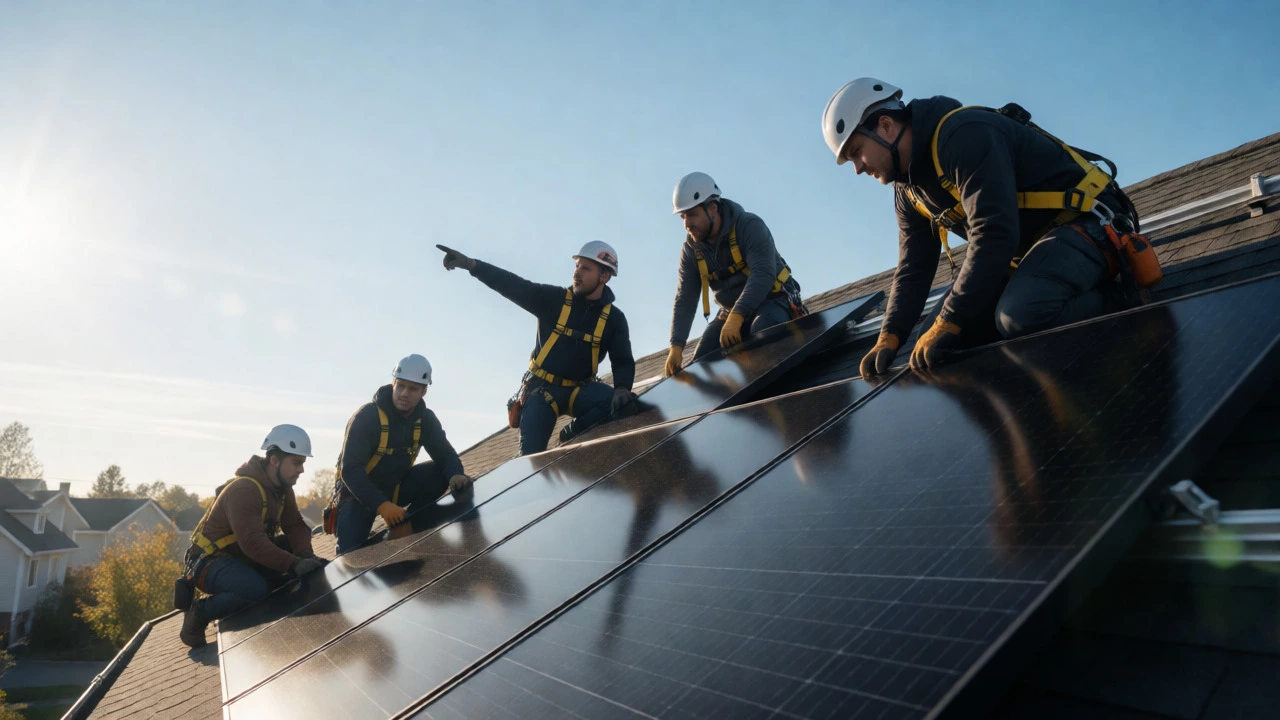
Australia leads the world in rooftop solar adoption. But installing panels is dangerous and technical work. A short certification in solar PV installation can land you work almost immediately. With government incentives pushing for net-zero emissions by 2050, the demand for installers and maintenance technicians will only increase. It is physical work, often outdoors, but the pay is competitive and the future-proofing is undeniable.
Cybersecurity Support
You don't need a computer science degree to enter IT. Many companies hire help desk technicians and junior security analysts based on specific certificates like CompTIA Security+ or Cisco CCNA. These courses take months, not years. If you are logical, curious, and willing to keep studying, you can break into tech with a fraction of the cost of a university degree. The remote work potential here is also huge, offering flexibility that most trades cannot match.
How to Choose Your Course: A Decision Framework
Picking the wrong course wastes time and money. Use this checklist to filter your options.
- Job Market Saturation: Are there more graduates than jobs? Check local job boards for "electrician apprentice" vs. "graphic designer." One shows scarcity; the other shows competition.
- Physical Requirements: Can you lift 20kg? Can you stand for eight hours? Be honest. A plumbing course is tough if you have back issues.
- Licensing Laws: Some jobs legally require licenses (like electrical or gas fitting). Ensure the course leads directly to licensure eligibility.
- Earning Potential Ceiling: Look at senior-level salaries, not just starting wages. Does the career have room to grow?
| Course Type | Duration | Avg. Starting Salary (AUD) | Job Outlook | Key Skill Needed |
|---|---|---|---|---|
| Electrical Apprenticeship | 4 Years | $75,000 | Very High | Problem Solving |
| Nursing (Diploma) | 2-3 Years | $65,000 | High | Empathy/Stamina |
| Solar PV Installer | 6 Months | $70,000 | Explosive | Physical Fitness |
| IT Support Cert III/IV | 1 Year | $55,000 | Moderate-High | Logical Thinking |
| Childcare Diploma | 18 Months | $50,000 | Stable | Patience |
The Hidden Costs Nobody Talks About
Vocational training is cheaper than university, but it isn't free. And sometimes, the hidden costs bite harder than tuition fees.
First, consider tool kits. An aspiring electrician might spend $2,000-$5,000 on tools before earning a dollar. Plumbers need pipe cutters, wrenches, and safety gear. Budget for this upfront. Second, insurance. Once you are licensed, public liability insurance becomes mandatory. Third, continuing education. Regulations change. Solar standards update. You must commit to lifelong learning to stay relevant.
Also, factor in the "apprenticeship wage gap." During your first year as an apprentice, you earn significantly less than a full-time worker. Can you survive on that income while paying rent? In Melbourne, Sydney, or Brisbane, this is a serious question. Plan your finances accordingly.

Where to Study: Public vs. Private Providers
In Australia, you generally have two main routes: government-funded providers like TAFE, or private Registered Training Organizations (RTOs).
TAFEs are renowned for their hands-on facilities. They have workshops, labs, and industry-standard equipment. Their reputation with employers is rock-solid. However, they can be bureaucratic, and class sizes might be larger.
Private RTOs are often faster and more flexible. They might offer online components or weekend classes. But quality varies wildly. Do your homework. Check if the provider has a high completion rate and good employment outcomes. Avoid "diploma mills" that promise quick results with little substance.
Final Verdict: What Is Actually Best?
There is no single "best" course. But there is a best course for *you*.
If you love solving puzzles and want maximum earning potential, choose Electrical. If you care about people and want job stability, choose Nursing or Allied Health. If you want speed and a green future, look at Solar or Wind Turbine Technician courses. If you prefer screens to spanners, go for Cybersecurity or Cloud Computing certificates.
The common thread? Action. Vocational education rewards those who show up, learn the craft, and deliver results. It strips away the fluff of academia and gets straight to the point: Can you do the job? If yes, you get paid. Start researching local providers today. Visit open days. Talk to current students. Ask them one question: "Did you get a job quickly after finishing?" Their answer will tell you everything you need to know.
Is vocational education better than university?
Neither is inherently "better." Vocational education is often better for practical, hands-on careers where skills matter more than theory. University is better for research-based or highly theoretical professions. For many trades, vocational training leads to faster employment and lower debt.
How long does a typical vocational course take?
It varies widely. Short certificates can take 6 months. Diplomas usually take 1-2 years. Apprenticeships in trades like electrical or plumbing typically take 3-4 years, combining work and study.
Can I switch from university to vocational training?
Yes, many people do. If you find university too theoretical or expensive, you can enroll in a vocational course. Previous university credits may transfer, depending on the institution and course overlap.
Are vocational courses recognized internationally?
Some are, some aren't. Trades like welding and IT certifications (e.g., Cisco, AWS) are globally recognized. Localized trades (like Australian electrical licensing) may require re-certification if you move overseas.
What is the cheapest way to get a vocational qualification?
Apprenticeships are often the cheapest because you earn while you learn. Government subsidies for TAFE courses also reduce costs significantly compared to private colleges or university degrees.

Dhruv Ainsley
I am an education specialist with a focus on international educational systems, particularly in India. I enjoy exploring how educational practices can be improved to foster better learning environments. Writing about such topics allows me to share insights and encourage meaningful discussions. My work seeks to inspire educational reforms that prioritize inclusive and quality learning experiences.