Feb
6
- by Dhruv Ainsley
- 0 Comments
eLearning Platform Cost Estimator
Choose Your Platform Type
Configure Your Platform
Estimated Monthly Cost
The global eLearning market hit $450 billion in 2025, but launching your own eLearning platform is a software system for delivering educational content online, including courses, quizzes, and interactive learning tools isn't just about setting up a website. It's about solving real problems for learners and educators. Many beginners jump into tech setup without understanding their audience, leading to failed launches. This guide breaks down exactly how to start an eLearning platform from scratch, using current tools and strategies that work today.
Understanding Your Market and Audience
Before building anything, know who you're serving. A 2024 survey by eLearning Industry found 62% of corporate learners prefer bite-sized courses under 10 minutes. Meanwhile, university students often need full-length modules with interactive quizzes. If you're targeting K-12 schools, focus on compliance with education laws like COPPA. For adult learners, flexibility and career relevance matter most. Skipping this step leads to mismatched content and low engagement.
Choosing the Right Platform Infrastructure
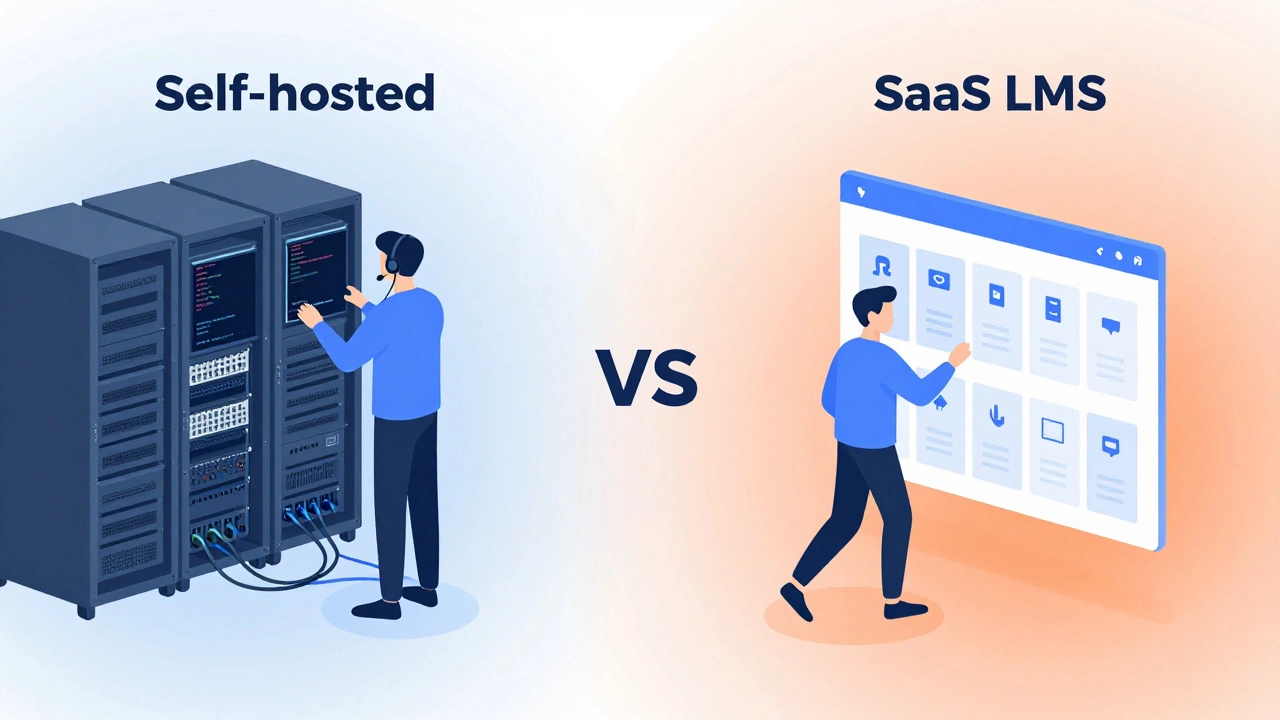
Two main paths exist: self-hosted LMS or SaaS solutions. Each has trade-offs in cost, control, and effort. Here's how they compare:
| Feature | Self-Hosted (e.g., Moodle) | SaaS (e.g., Teachable) |
|---|---|---|
| Initial Cost | Free software, but server and hosting fees ($50-$200/month) | $39-$199/month (no setup costs) |
| Technical Skill Needed | High (server management, updates) | Low (all maintenance handled) |
| Customization | High (full code access) | Moderate (limited to plugin options) |
| Scalability | Requires manual scaling | Automatic scaling with provider |
| Best For | Large organizations with IT teams | Startups and solo entrepreneurs |
Building and Testing Your Platform
Once you've chosen your infrastructure, focus on content creation and testing. Tools like Articulate 360 let you create interactive courses with drag-and-drop ease. Canva offers free templates for course graphics-over 10 million educators use it. Before launch, test with at least 20 beta users. Track where they struggle: if 30% abandon a quiz, simplify it. A 2025 case study from Coursera showed that fixing just one high-abandonment module increased completion rates by 18%.

Launching and Marketing Strategically
Your platform won't grow on its own. Start with a free introductory course to build trust. A 2025 Social Media Today study found micro-influencers (10k-50k followers) drive 42% higher conversions than celebrities. Partner with industry experts for webinars-this builds credibility fast. Use SEO for course pages: target keywords like "online data science course" instead of generic terms. Track which channels bring paying users. If Facebook ads have a $50 cost per acquisition but LinkedIn brings $20, shift your budget accordingly.
Maintaining and Scaling Your Platform
Platforms that update course materials quarterly see 25% higher retention rates, according to EdTech Magazine's 2024 study. Add new features based on user feedback-like mobile app support or offline downloads. Monitor analytics daily: if retention drops below 70% after two weeks, investigate. For scaling, consider adding group coaching sessions or certification programs. A 2026 report from McKinsey showed platforms with tiered pricing (basic, premium, enterprise) grow revenue 3x faster than single-tier models.
What is the easiest way to start an eLearning platform?
The easiest way is using a SaaS platform like Teachable or Thinkific. These services handle hosting, payments, and technical maintenance so you can focus on creating courses. They offer drag-and-drop course builders and built-in marketing tools, making them ideal for beginners without technical skills.
How much does it cost to start an eLearning platform?
Costs vary widely. SaaS platforms start at $39/month with no setup fees. Self-hosted options like Moodle are free but require $50-$200/month for hosting and technical support. For a full setup including custom design and marketing, expect $5,000-$15,000 upfront. However, many entrepreneurs start small and scale as they gain users.
Do I need coding skills to start an eLearning platform?
No, coding skills aren't required for most platforms. SaaS solutions like Teachable, Thinkific, and Kajabi have no-code builders. Even self-hosted Moodle can be managed with basic web hosting knowledge. Only if you want deep customization or unique features would you need developers.
How do I attract students to my platform?
Focus on free value first. Offer a free mini-course or webinar to build trust. Partner with influencers in your niche-micro-influencers have higher engagement rates. Use SEO to rank for specific course keywords. Also, join online communities where your target audience hangs out, like Reddit or LinkedIn groups, and share helpful insights without hard selling.
What metrics should I track for my eLearning platform?
Track course completion rates, student engagement time, and retention after 30 days. Also monitor conversion rates from free to paid users. A 2025 study found platforms tracking these metrics saw 22% higher growth. Use tools like Google Analytics or built-in platform analytics to spot trends early.

Dhruv Ainsley
I am an education specialist with a focus on international educational systems, particularly in India. I enjoy exploring how educational practices can be improved to foster better learning environments. Writing about such topics allows me to share insights and encourage meaningful discussions. My work seeks to inspire educational reforms that prioritize inclusive and quality learning experiences.