Coding for Beginners: Start Programming with No Experience
When you hear coding for beginners, the process of learning how to write instructions computers understand, starting from zero knowledge. Also known as learning programming, it’s not about being a math genius or having a computer science degree—it’s about solving small problems one step at a time. Millions of people start coding every year with just a phone, a free app, and a few hours a week. You don’t need to be the smartest person in the room. You just need to keep trying.
Most beginners get stuck because they think they need to learn everything at once. But coding isn’t like memorizing history dates. It’s like learning to ride a bike—you wobble at first, then suddenly it clicks. The self-taught coding, learning programming without formal classes, using free resources and real projects route works better than most classrooms because you learn by doing. You build a calculator, then a to-do list, then a simple website. Each project teaches you more than any video lecture ever could.
Tools matter. You don’t need a $1,500 laptop. In 2025, you can write real code on your phone using apps like SoloLearn, Grasshopper, or Termux. These apps give you instant feedback, so you learn from mistakes right away. And when you’re ready to go deeper, platforms like online learning platforms, websites offering structured courses in programming, often with certificates like Coursera and Udemy have beginner paths that cost less than a coffee a week. You don’t need to pay upfront. Many courses are free to start.
What you learn first matters too. Python is the most common starting language because it reads like plain English. It’s used in websites, data analysis, automation, and even AI. You don’t need to know Java, C++, or JavaScript to begin. Start with Python, build something simple, then branch out. The hardest part isn’t the code—it’s believing you can do it. Most people quit before the first win. Don’t be one of them.
There’s no magic formula. No secret trick. Just consistency. Spend 20 minutes a day writing code. Mess up. Fix it. Try again. The people who end up with jobs or side projects aren’t the ones who studied the longest—they’re the ones who showed up every day.
Below, you’ll find real stories, practical tools, and step-by-step paths that actually work for people who started with zero experience. No fluff. No theory. Just what helps you go from "I don’t get it" to "I just built that."
Jan
20
- by Dhruv Ainsley
- 0 Comments
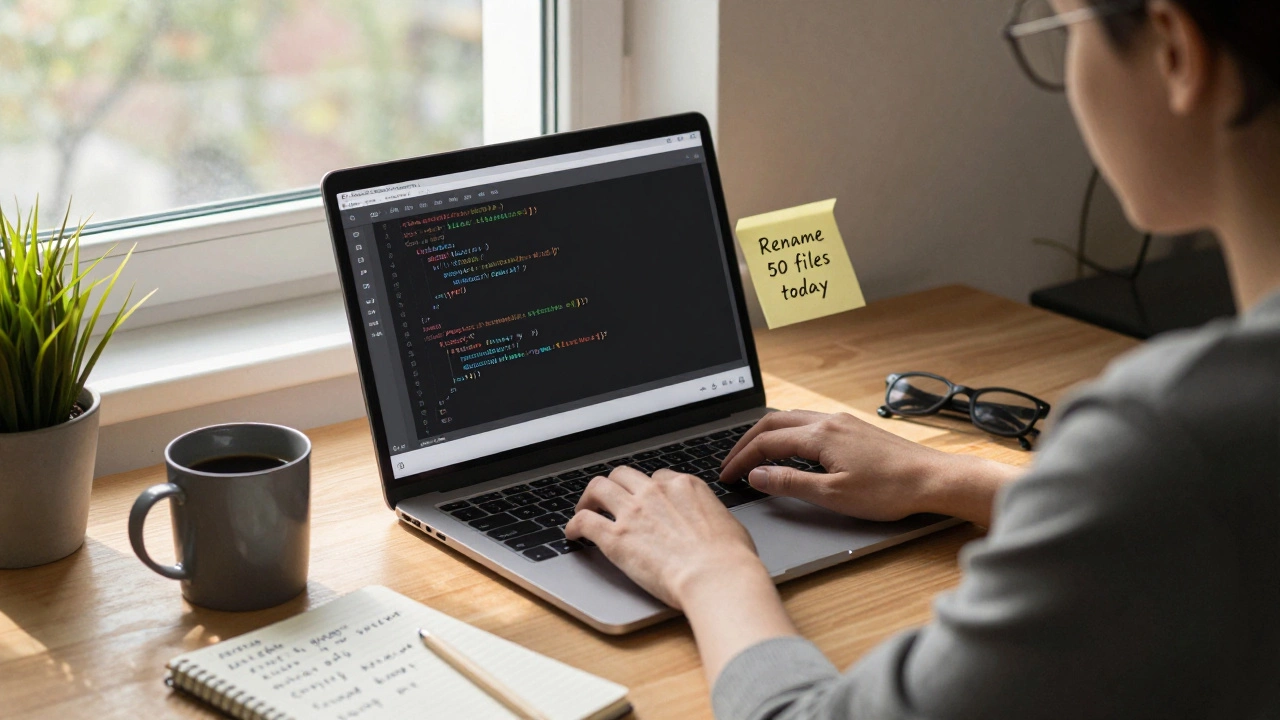
How Long Does It Take to Learn Python? Real Timelines for Beginners
Learn how long it really takes to learn Python based on your goals - from writing simple scripts to landing a job. Real timelines, common mistakes, and what actually works.
Nov
18
- by Dhruv Ainsley
- 0 Comments
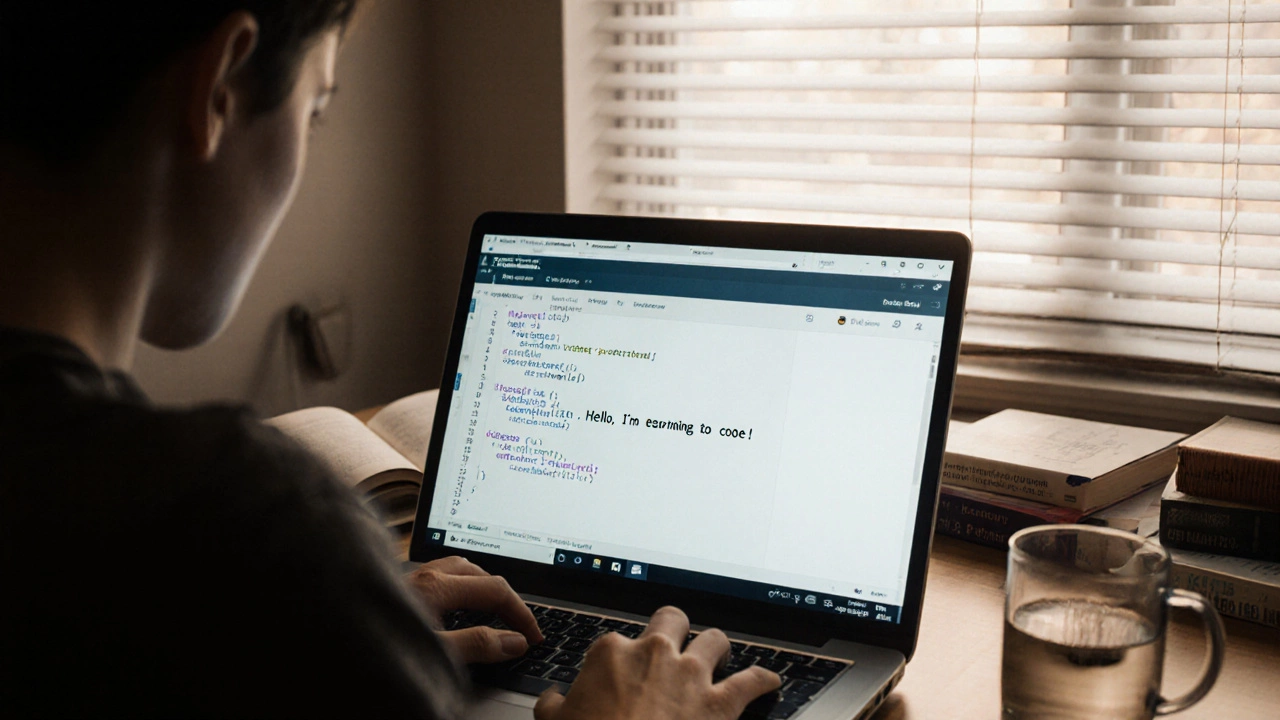
Can I Code on My Own? The Realistic Guide to Learning Programming Without Classes
You can absolutely learn to code on your own-no classes, no degree, no expensive courses needed. This guide shows you how to start, stay motivated, and build real skills with free resources.