Jan
20
- by Dhruv Ainsley
- 0 Comments
Python Learning Timeline Calculator
Choose your goal and practice time to estimate your learning timeline.
Your Goal
Your Practice Time
Your Estimated Timeline
Start NowTip: Consistency matters more than intensity. 15 minutes daily beats 5 hours once a week.
Start with a tiny project today.
How long does it take to learn Python? It’s not a one-size-fits-all answer. Some people pick it up in a few weeks. Others struggle for months. The truth? It depends on what you want to do with it.
What Does ‘Learn Python’ Even Mean?
Before you start counting days, you need to define your goal. Learning Python to write a script that renames your photos is very different from building a web app or analyzing sales data. Most people don’t realize this. They think ‘learning Python’ means becoming a software engineer. That’s not true for most learners.
If you’re a student, you might just need enough Python to pass a class. If you’re switching careers, you need to build projects that land you a job. If you’re a marketer, you just want to automate reports. Each path has its own timeline.
Realistic Timelines Based on Goals
Here’s what most people actually need, broken down by outcome:
- Basic fluency (2-4 weeks): You can write simple scripts, use variables, loops, and functions. You can automate file tasks, scrape basic web data, or calculate numbers in Excel. This is enough for most non-programmers who want to save time.
- Project-ready (2-3 months): You can build small tools - a to-do list app, a weather checker, a data visualizer. You understand lists, dictionaries, file handling, and basic libraries like pandas or requests. You can follow tutorials without getting stuck.
- Job-ready (4-6 months): You can build full projects from scratch. You know how to use frameworks like Flask or Django, work with APIs, handle databases, and deploy code. You’ve built 3-5 portfolio pieces and can explain your code in an interview.
- Advanced (6+ months): You’re solving complex problems - machine learning models, web scrapers that handle JavaScript, automated data pipelines. You’re comfortable with OOP, testing, and performance tuning.
These aren’t arbitrary numbers. They come from tracking hundreds of learners in Melbourne coding bootcamps and online communities. The people who reach job-ready status in 4 months didn’t study 8 hours a day. They studied 1 hour a day, consistently, and built something real every week.
What Slows People Down?
Most people quit not because Python is hard - it’s not - but because they get lost in the wrong places.
They spend weeks learning syntax while ignoring real projects. They watch YouTube tutorials without typing anything. They try to learn Django before they know what a function is. They compare themselves to developers who’ve been coding for five years.
The biggest mistake? Waiting to feel ‘ready.’ You don’t need to know everything before you start building. You learn by doing. A beginner who writes a script that sends a daily email with weather updates learns more in one day than someone who reads a 200-page book.
Another trap: chasing the ‘perfect’ course. There’s no magic curriculum. FreeCodeCamp, Codecademy, and Coursera all teach the same basics. What matters is whether you’re building something after each lesson.
How to Learn Faster
Here’s what actually works:
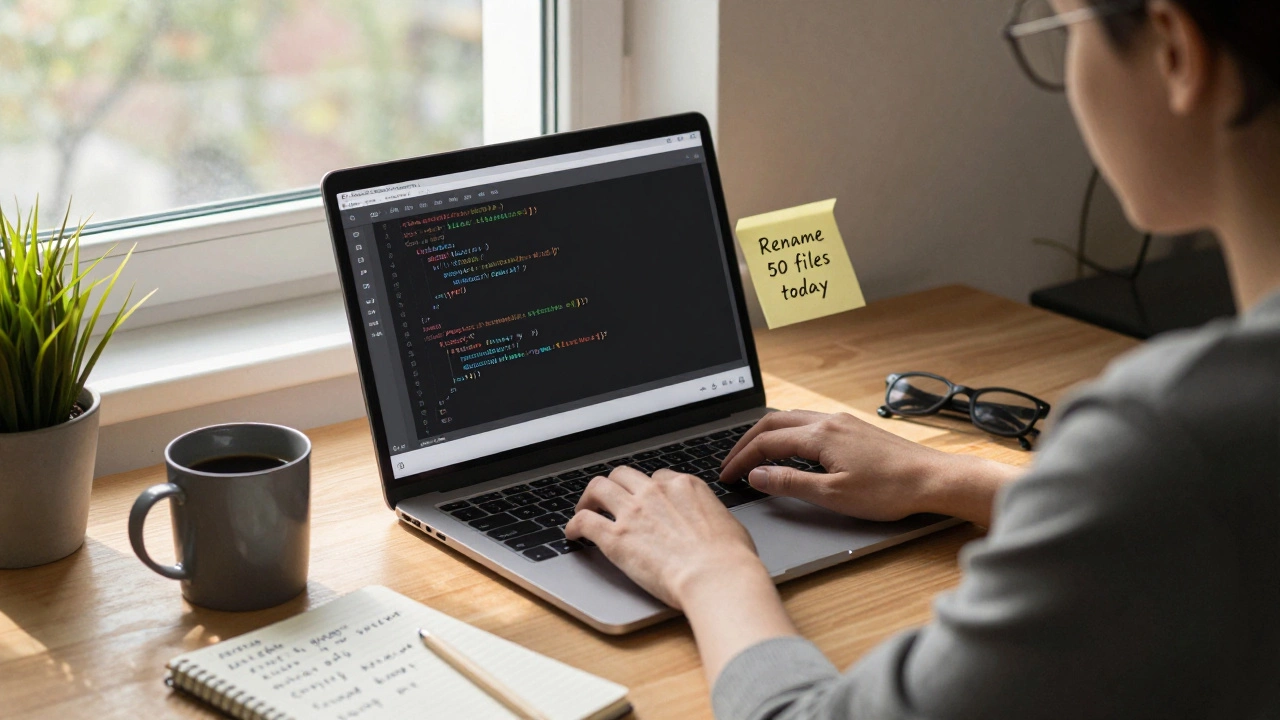
- Start with a tiny project. Not ‘build a website.’ Start with ‘write a script that renames 50 files in a folder.’ Do it. Then do another. Then another.
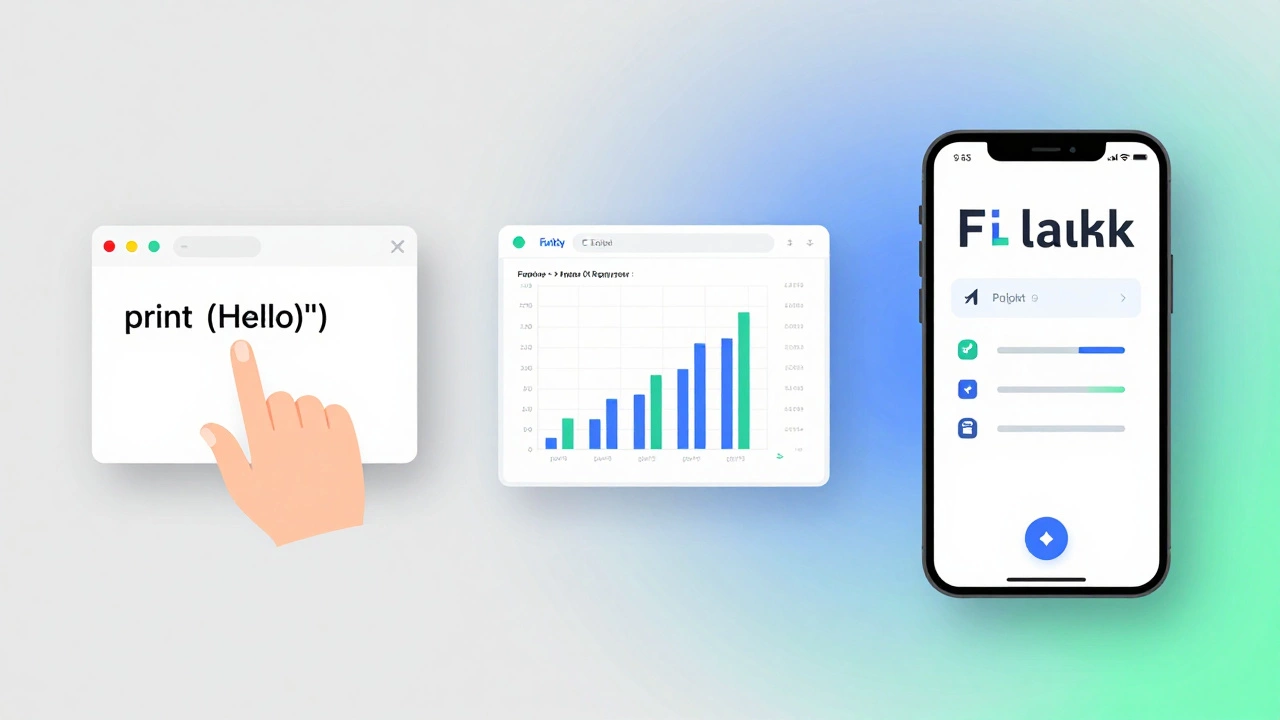
- Use Python every day. Even 20 minutes. Open your editor. Type something. Even if it’s just print('Hello'). Consistency beats intensity.
- Copy, then change. Find a simple script online. Run it. Change one line. See what breaks. Fix it. That’s how you learn.
- Ask for help early. Stack Overflow isn’t scary. Most questions have been asked before. Copy the error message, paste it in Google, and you’ll find the answer.
- Build for yourself. Need to track your gym workouts? Build a tracker. Hate filling out forms? Automate them. Personal projects stick.
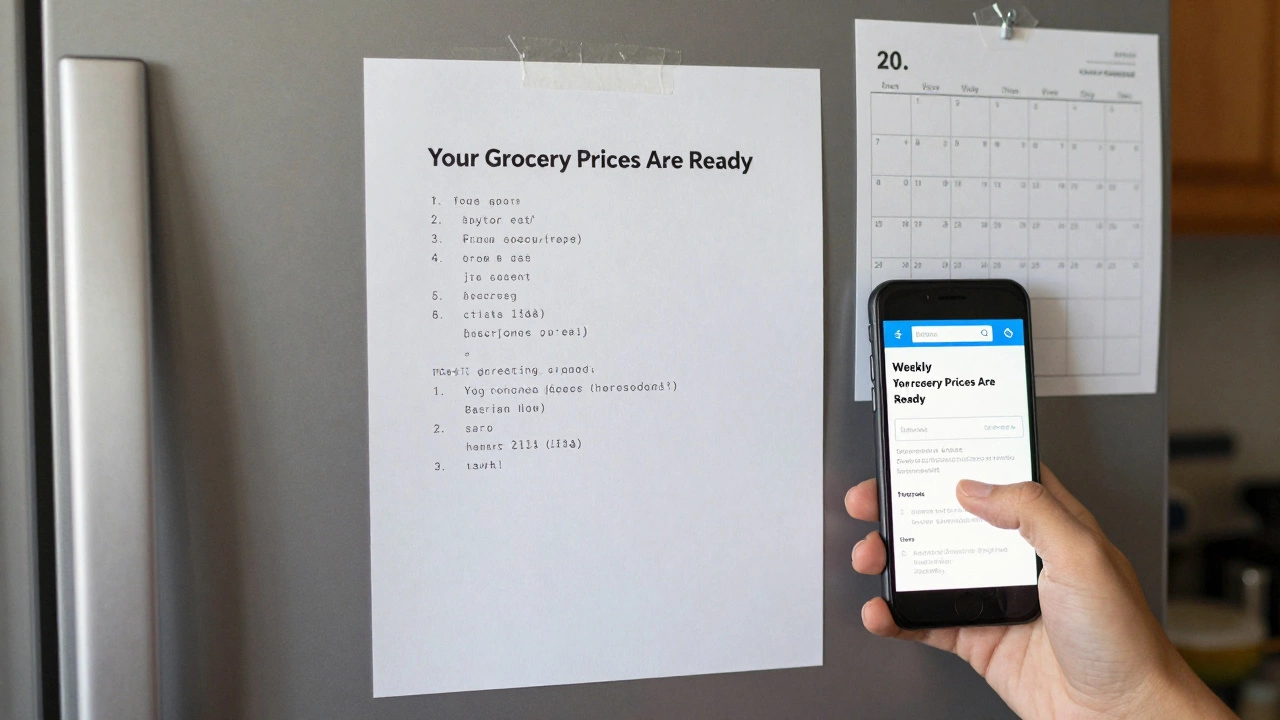
One person I know in Melbourne learned Python in 10 weeks by automating her grocery list. She used a spreadsheet, a Python script to pull prices from online stores, and sent herself a weekly email. She didn’t care about frameworks. She just wanted to save time. That’s the right mindset.
Tools and Resources That Actually Help
You don’t need expensive tools. Here’s what works for most beginners:
- Python.org - Download Python for free. That’s it.
- Thonny - A simple IDE perfect for beginners. No setup headaches.
- Replit - Write and run code in your browser. No install needed.
- Automate the Boring Stuff with Python - Free online book. Practical. No theory overload.
- Real Python - Short, clear tutorials. Great for when you’re stuck.
Forget Jupyter Notebooks at first. They’re great for data science, but they hide how code actually runs. Learn the basics in a plain text editor first.
What to Avoid
Don’t:
- Buy a $300 course on Udemy. The free stuff is just as good.
- Try to learn JavaScript at the same time. Focus.
- Wait for ‘the right time.’ Start today, even if it’s just 15 minutes.
- Compare your week 2 to someone’s year 5. That’s not fair or useful.
- Think you need a degree. Most Python jobs care about what you can build, not your resume.
Can You Learn Python in a Week?
Yes - if your goal is to write one useful script. No - if you want to get hired as a developer.
One week is enough to understand variables, loops, and how to read a file. You can write a script that counts how many times a word appears in a text. That’s powerful. But that’s not enough to build a web app or analyze data.
Think of it like driving. You can learn to turn the key and shift gears in a day. But you won’t pass a driving test without practice. Same with Python.
How to Know You’re Making Progress
You’re learning when:
- You fix a bug without looking up the answer.
- You write a script that saves you time - even if it’s just 10 minutes a week.
- You can explain what a loop does to someone who’s never coded.
- You look at a website and think, ‘I could scrape that.’
Progress isn’t about how much you know. It’s about what you can do now that you couldn’t do before.
Final Thought: It’s Not About Speed
People ask, ‘How long does it take?’ But the real question is: ‘What are you willing to build?’
Python is a tool. It doesn’t care how fast you learn. It only cares that you use it. Someone who codes for 15 minutes every day for six months will outpace someone who crams for 10 hours once a week.
Start small. Stay consistent. Build something real. The time it takes? That’s up to you.
Can I learn Python without any coding experience?
Yes. Python is one of the easiest languages for beginners. It uses plain English-like syntax, so you don’t need to memorize complex symbols. Many people with zero background have learned Python to automate tasks, analyze data, or switch careers. Start with small projects and build from there.
Is Python better than JavaScript for beginners?
For most beginners, yes. Python is simpler to read and write. You can focus on logic instead of syntax rules. JavaScript is essential for web development, but it has quirks that confuse new learners. If you’re not building websites, Python is the clearer starting point.
Do I need a degree to get a job using Python?
No. Most Python jobs - especially in data analysis, automation, and scripting - care more about your portfolio than your education. Employers want to see projects you’ve built, problems you’ve solved, and code you’ve written. A GitHub profile with 3 solid projects often beats a degree.
How much math do I need to learn Python?
Very little. Basic arithmetic is enough for most uses - like automating spreadsheets or processing text. If you move into data science or machine learning, you’ll need statistics and algebra, but that’s later. Don’t let math scare you off. Most Python tasks involve logic, not equations.
What’s the fastest way to learn Python?
Build something useful every week. Pick a small problem you have - like organizing files or tracking expenses - and write a Python script to solve it. Use free resources like Automate the Boring Stuff or Real Python. Practice daily, even for 15 minutes. Speed comes from doing, not watching.
Dhruv Ainsley
I am an education specialist with a focus on international educational systems, particularly in India. I enjoy exploring how educational practices can be improved to foster better learning environments. Writing about such topics allows me to share insights and encourage meaningful discussions. My work seeks to inspire educational reforms that prioritize inclusive and quality learning experiences.