ICSE vs CBSE: Key Differences That Actually Matter for Students and Parents
When it comes to school boards in India, ICSE, a national board known for its detailed, literature-rich curriculum and emphasis on English and CBSE, the centralized board aligned with national exams like JEE and NEET are the two biggest choices parents face. Neither is "better"—but they’re built for very different goals. ICSE pushes deep understanding, writing skills, and broad exposure, while CBSE focuses on clarity, exam readiness, and streamlined learning. If you’re trying to pick one for your child, you’re not just choosing a syllabus—you’re choosing a learning style.
The ICSE curriculum, developed by the Council for the Indian School Certificate Examinations covers more subjects in greater depth. Students study English literature, environmental science, and even computer applications as separate, mandatory subjects. It’s not unusual for an ICSE student to write 10-page essays or analyze poetry in class. On the flip side, CBSE, run by the Central Board of Secondary Education keeps things tight. Its syllabus is designed to prepare students for national competitive exams. Science and math are taught with direct links to JEE and NEET patterns. If your child is aiming for engineering or medicine, CBSE gives them a head start on the exam rhythm.
Many parents assume ICSE is harder because it has more subjects. But the real difference isn’t volume—it’s expectation. ICSE asks students to explain why. CBSE asks them to solve it. ICSE students often end up stronger in communication and critical thinking. CBSE students tend to move faster through exam prep. Neither is superior—it’s about fit. If your child thrives on structure and wants to jump straight into competitive exams, CBSE makes sense. If they enjoy reading, writing, and digging into topics beyond the textbook, ICSE gives them room to breathe.
And here’s something most people don’t talk about: colleges and employers don’t care which board your child came from. What matters is grades, skills, and how well they can think. But the journey there? That’s where the board shapes everything. The way ICSE builds writing skills over six years, or how CBSE trains students to handle high-pressure timed tests—it all adds up. You’re not just picking a curriculum. You’re picking the kind of learner your child becomes.
Below, you’ll find real comparisons, student experiences, and insights from parents who’ve walked this path. No theory. No fluff. Just what actually happens when you choose ICSE over CBSE—or the other way around.
Dec
9
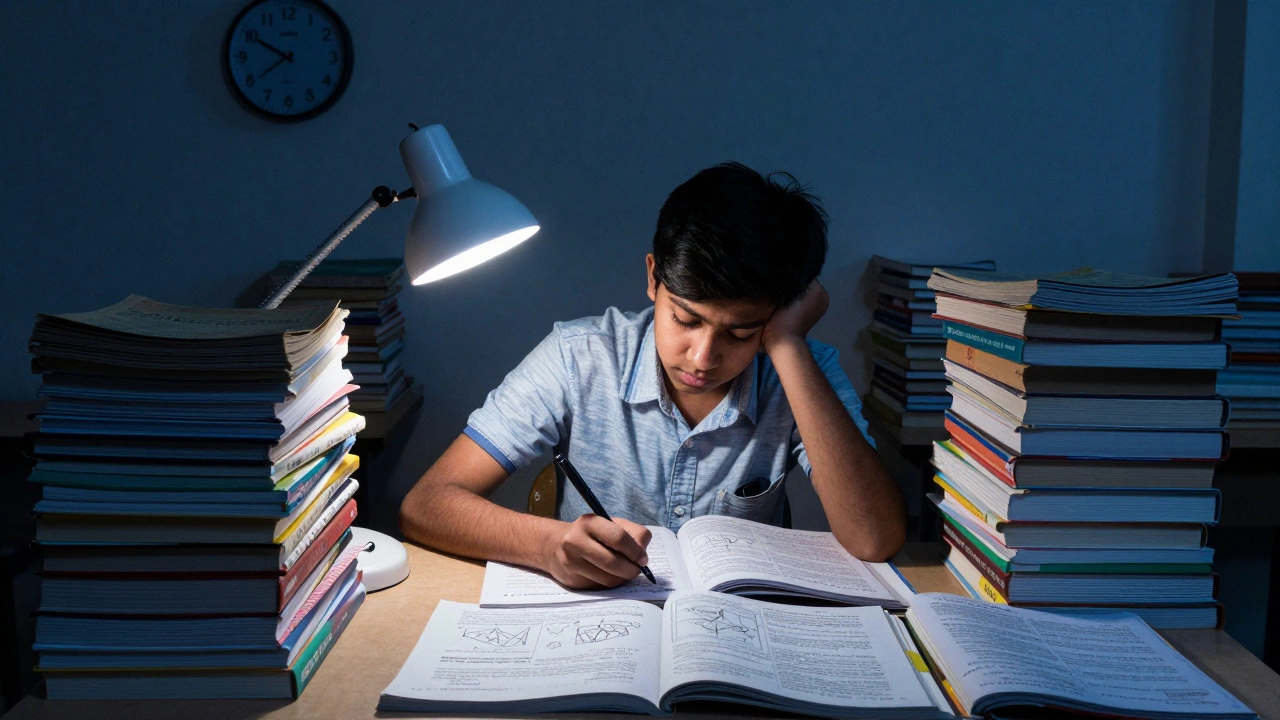
- by Dhruv Ainsley
- 0 Comments
Which Are the Two Toughest School Boards in India?
ICSE and CBSE are the two toughest school boards in India. ICSE demands deep understanding and analytical writing, while CBSE pushes students to master speed and exam patterns for competitive exams like JEE and NEET.