May
5

- by Dhruv Ainsley
- 0 Comments
Distance Education Readiness Assessment
Assess Your Distance Education Fit
Answer these questions to discover which distance education format suits you best and whether you're prepared for the challenges of remote learning.
Overall Readiness Score
-
Recommended Learning Format
-
Why This Format?
-
Key Factors Analysis
Action Steps Before Enrolling
Important Reminders
Imagine sitting at your kitchen table in Melbourne, logging into a lecture from a university in London, and submitting an assignment before your morning coffee gets cold. This isn’t a futuristic dream; it is the reality of distance education, which is a method of delivering instruction to students who are not physically present in a traditional classroom setting. But what exactly counts as distance education today? Is it just watching videos on YouTube? Does it include hybrid models where you visit campus once a month?
The definition has shifted dramatically over the last decade. We need to clear up the confusion between casual online content and accredited educational programs. Understanding this distinction matters because it affects your career prospects, financial aid eligibility, and the value of the credential you earn.
The Core Definition: What Makes It "Distance"?
At its simplest, distance education is any form of learning where the teacher and student are separated by physical space and often time. The key differentiator is the medium of interaction. In traditional schooling, that medium is face-to-face presence. In distance education, technology bridges the gap.
However, not all remote learning qualifies as formal distance education. Here is the breakdown:
- Formal Distance Education: Structured programs offered by accredited institutions (universities, colleges) leading to certificates, diplomas, or degrees. These have syllabi, assessments, and faculty oversight.
- Informal Online Learning: Self-paced tutorials, hobbyist courses, or informational videos without institutional accreditation. While valuable for skills, these do not typically count toward academic credit.
In 2026, the line blurs slightly with micro-credentials, but the core requirement remains: there must be an institutional framework governing the quality and assessment of the learning.
How It Works: The Technology Behind the Screen
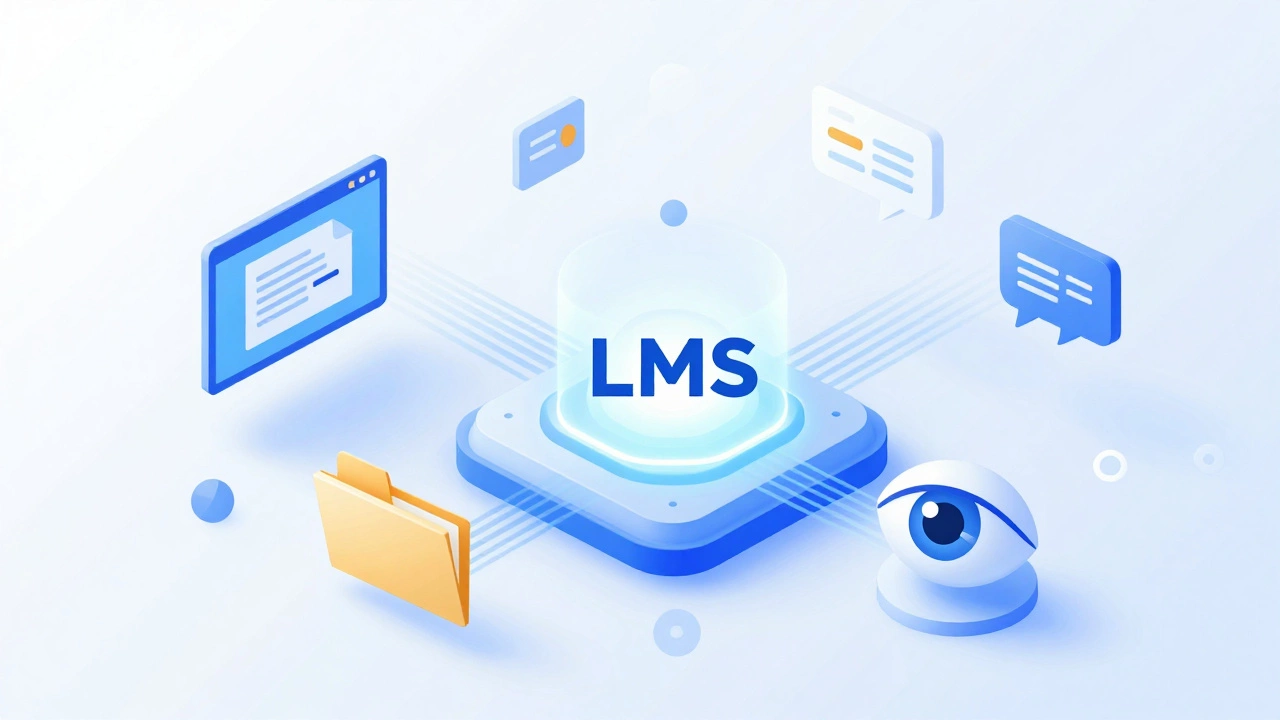
You might wonder how a professor grades your essay if they never see you. The answer lies in the Learning Management System (LMS), which is software used by educators to deliver course materials, manage student interactions, and track progress. Platforms like Canvas, Moodle, or Blackboard act as the digital campus.
Here is what happens behind the scenes:
- Content Delivery: Lectures are recorded or streamed live via video conferencing tools like Zoom or Microsoft Teams.
- Interaction: Discussion forums, chat rooms, and breakout groups replace hallway conversations.
- Assessment: Proctored exams use AI-driven monitoring software to ensure integrity, while projects are submitted digitally.
This infrastructure allows for asynchronous learning, which is education that does not require participants to be online at the same time. You can watch a lecture at 2 AM and reply to a discussion post at 9 AM. This flexibility is the hallmark of modern distance education.
Synchronous vs. Asynchronous: Choosing Your Pace
One of the biggest decisions you face when entering distance education is choosing between synchronous and asynchronous formats. Each serves different lifestyles and learning styles.
| Feature | Synchronous | Asynchronous |
|---|---|---|
| Timing | Real-time (live classes) | Self-paced (within deadlines) |
| Interaction | Immediate feedback, live Q&A | Delayed responses, reflective discussions |
| Flexibility | Low (must attend specific times) | High (learn anytime, anywhere) |
| Best For | Students who thrive on structure and social interaction | Working professionals and parents with irregular schedules |
Many programs now offer a hybrid model, which combines both online and in-person components to leverage the benefits of each approach. For example, you might complete coursework online but attend weekend intensives on campus for labs or networking events. This blend addresses the isolation some students feel in purely remote settings.
Accreditation: Why It Matters More Than Ever
Not all distance education programs are created equal. In fact, the rise of "diploma mills"-unaccredited entities selling fake degrees-has made due diligence critical. When evaluating a program, look for regional accreditation, which is the highest level of institutional recognition granted by agencies recognized by the government.
In Australia, this means checking with TEQSA (Tertiary Education Quality and Standards Agency). In the US, it involves regional bodies like WSCUC or NECHE. Without proper accreditation:
- Your degree may not be accepted by employers.
- You cannot transfer credits to other institutions.
- You are ineligible for federal financial aid or scholarships.
Always verify the status directly on the accreditor’s website, not just on the school’s marketing page. Legitimate universities proudly display their accreditation status in the footer of their site.
The Pros and Cons: Is It Right for You?
Distance education offers significant advantages, but it also demands specific traits from students. Let’s look at the trade-offs honestly.
The Advantages:
- Cost Savings: No commuting costs, no relocation expenses, and often lower tuition fees compared to on-campus equivalents.
- Accessibility: Students in rural areas or those with disabilities can access top-tier resources without physical barriers.
- Work-Life Balance: Ideal for working adults who need to maintain income while upskilling.
The Challenges:
- Self-Discipline: Without a teacher standing over you, procrastination becomes the enemy. You must manage your own schedule rigorously.
- Isolation: Lack of spontaneous peer interaction can lead to feelings of loneliness. Active participation in virtual communities is essential.
- Tech Dependence: Reliable internet and hardware are non-negotiable. Tech issues can disrupt learning instantly.
If you struggle with self-motivation, pure asynchronous distance education might set you up for failure. In that case, a synchronous or hybrid model provides the external accountability you need.
The Future of Distance Education in 2026 and Beyond
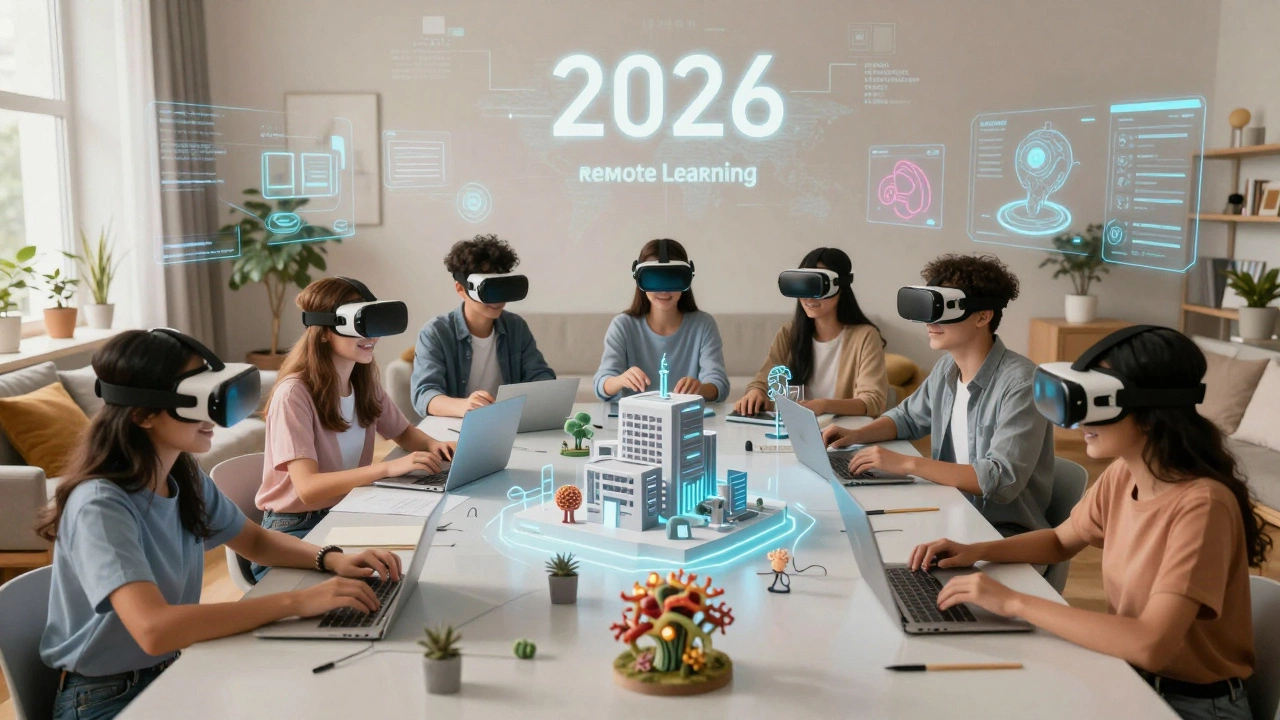
We are seeing a shift from simple video lectures to immersive experiences. Virtual Reality (VR) and Augmented Reality (AR) are beginning to enter the classroom. Medical students practice surgeries in VR simulations; engineering students manipulate 3D models in AR. These technologies bridge the hands-on gap that critics of distance education often cite.
Additionally, AI-driven personalization is using algorithms to adapt learning paths based on individual student performance and preferences. If you struggle with a concept, the system automatically suggests remedial resources or adjusts the pace. This makes distance education more responsive than ever.
Employers have also largely stopped distinguishing between online and on-campus degrees, provided the institution is reputable. A survey by the National Association of Colleges and Employers showed that 84% of hiring managers view online degrees equally to traditional ones. The stigma is gone; the focus is now on skills and outcomes.
Getting Started: Practical Steps
If you are ready to explore distance education, follow these steps to ensure success:
- Define Your Goal: Are you seeking a career change, a promotion, or personal enrichment? This determines whether you need a full degree or a certificate.
- Research Accreditation: Verify the institution’s credentials through official government or accrediting body websites.
- Assess Your Tech Setup: Ensure you have a quiet workspace, reliable high-speed internet, and compatible devices.
- Check Support Services: Look for schools offering robust online tutoring, library access, and technical support.
- Start Small: Consider taking one non-credit course to test your commitment and learning style before committing to a full program.
Distance education is not just a backup plan anymore; it is a primary pathway to education for millions. By understanding its mechanics, requirements, and potential pitfalls, you can make an informed decision that aligns with your life and career goals.
Is distance education considered legitimate by employers?
Yes, absolutely. As long as the institution is properly accredited, employers generally treat distance education degrees the same as on-campus degrees. The focus has shifted to the skills and knowledge demonstrated rather than the mode of delivery.
What is the difference between online learning and distance education?
While often used interchangeably, "online learning" is a broader term that can include informal courses and self-study. "Distance education" specifically refers to structured, accredited programs delivered by educational institutions, often involving formal assessment and credit.
Can I get financial aid for distance education?
In many countries, including the US and Australia, federal and state financial aid is available for accredited distance education programs. However, you must enroll in an institution that participates in the relevant financial aid schemes. Always check with the financial aid office of the specific school.
Is distance education suitable for children?
Yes, K-12 distance education options exist, particularly for students in remote areas, those with health issues, or homeschooled families. These programs provide structured curricula and teacher support, though they require significant parental involvement to ensure engagement and completion.
How do I avoid diploma mills?
Always verify accreditation through official government databases or recognized accrediting agencies. Be wary of schools that promise quick degrees with little effort, lack physical addresses, or have poor reviews. Legitimate institutions will clearly display their accreditation status and require rigorous academic work.

Dhruv Ainsley
I am an education specialist with a focus on international educational systems, particularly in India. I enjoy exploring how educational practices can be improved to foster better learning environments. Writing about such topics allows me to share insights and encourage meaningful discussions. My work seeks to inspire educational reforms that prioritize inclusive and quality learning experiences.