Apr
17
- by Dhruv Ainsley
- 0 Comments
Learning Path Finder
Which learning environment suits you?
Answer 5 quick questions about your habits, goals, and personality to discover whether you'll thrive in a digital space, a physical classroom, or a mix of both.
Your Ideal Match: ...
Description goes here.
Quick Summary
- Distance Learning: Best for self-disciplined learners, working professionals, and those needing flexibility.
- Classroom Learning: Ideal for social learners, those who struggle with time management, and hands-on subjects.
- The Middle Ground: Blended learning combines both to maximize engagement and convenience.
- Key Decider: Your personal learning style (Visual, Auditory, Kinesthetic) and life constraints.
Understanding the Digital Shift
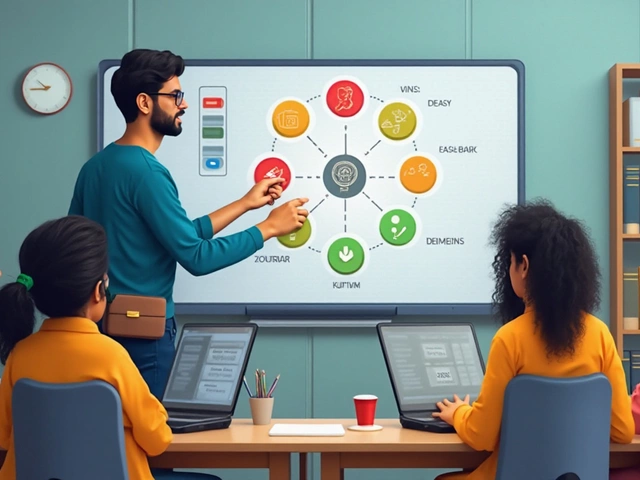
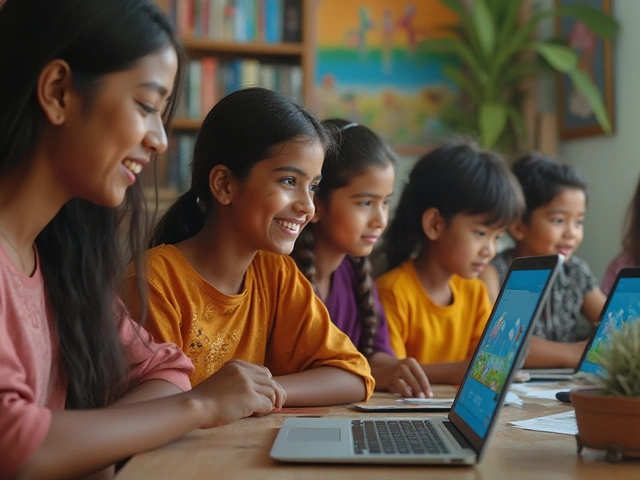
When we talk about Distance Learning is a method of education where the student and instructor are physically separated, relying on technology to bridge the gap. Also known as online education or e-learning, it has evolved from simple correspondence courses via mail to sophisticated Virtual Learning Environments. Today, this often involves Learning Management Systems (LMS) like Canvas or Moodle, which handle everything from grade books to discussion forums.
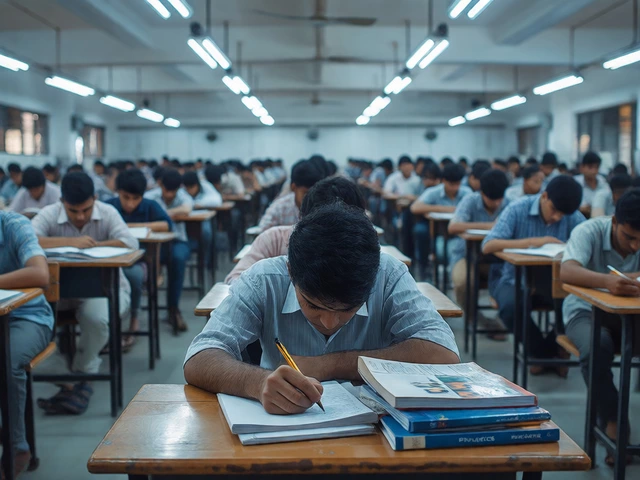
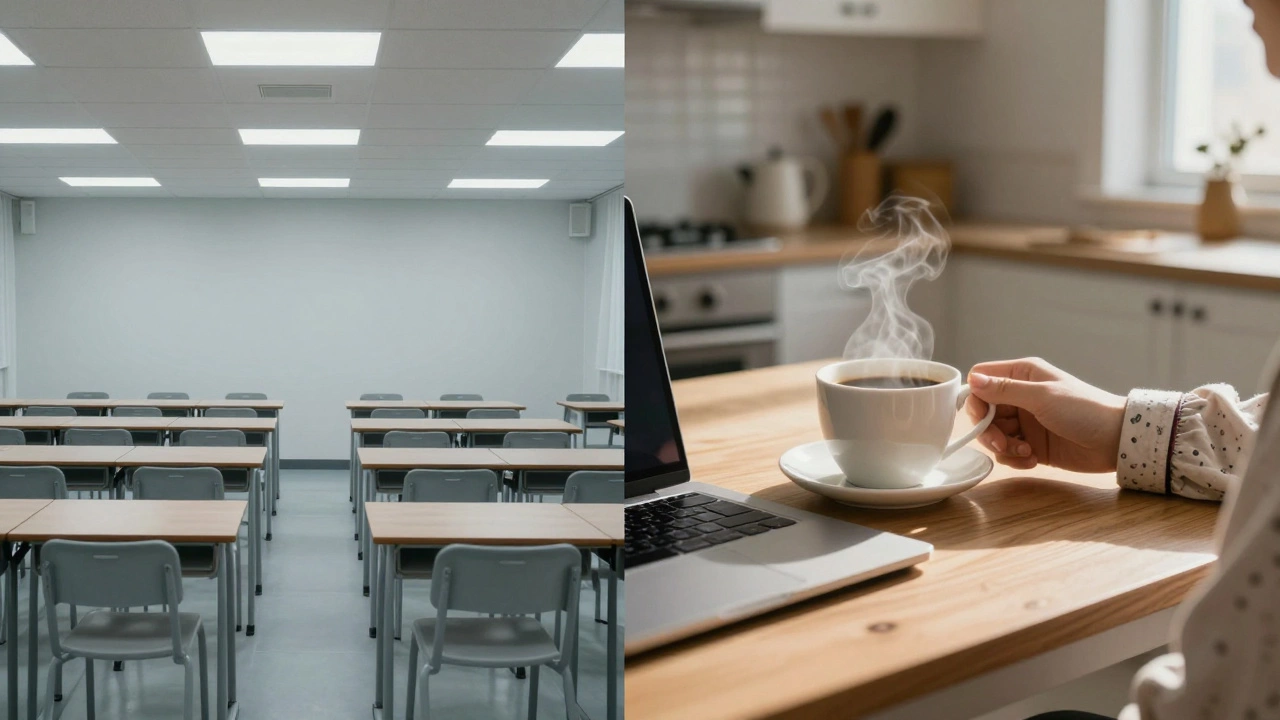
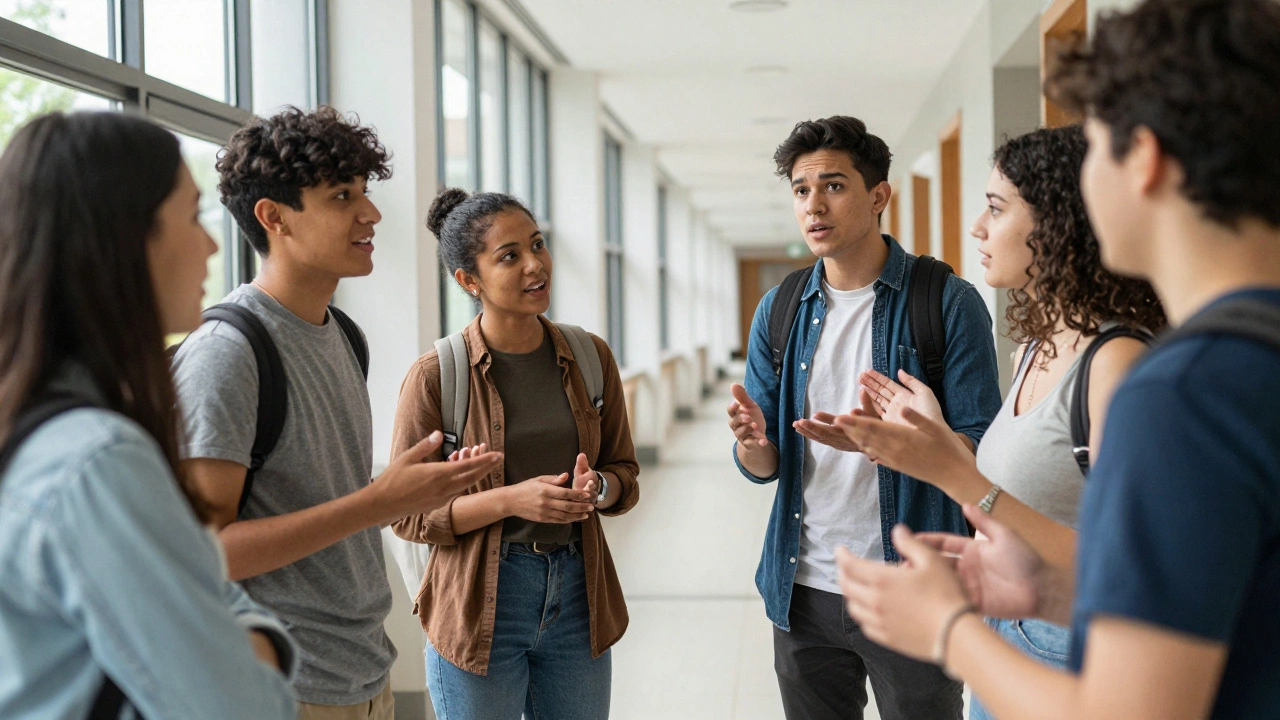
Traditional classroom learning, on the other hand, is the gold standard of the 20th century. It relies on synchronous, face-to-face interaction. The value here isn't just the lecture; it's the "hallway conversations"-those unplanned moments where a student asks a question and sparks a debate that lasts an hour. In a physical room, the teacher can see the look of confusion on a student's face in real-time and pivot their explanation immediately. In a digital space, that same confusion often stays hidden until the student fails a quiz.
The Flexibility Trade-off
The biggest draw of online education is undoubtedly flexibility. If you are a parent in Melbourne juggling a toddler and a full-time job, you cannot realistically spend four hours a day commuting to a campus. Distance learning allows for asynchronous study, meaning you can watch a lecture at 11 PM when the house is finally quiet. This removes the geographical barrier, allowing a student in a rural town to access a degree from a top-tier university without moving cities.
However, flexibility is a double-edged sword. Without a bell ringing or a professor staring at you, it is incredibly easy to procrastinate. Many students find that the lack of structure leads to a "snowball effect," where they miss one week of readings and suddenly find themselves staring at a mountain of work two days before the final. Classroom learning provides an external skeleton of accountability. You show up because you have to, and that routine often creates a psychological boundary between "home life" and "study life" that is missing in a home-office setup.
Social Interaction and Mental Health
Humans are social creatures. The Traditional Classroom isn't just about academic data transfer; it's about social development. For younger students, the classroom is where they learn conflict resolution, empathy, and networking. There is a tangible energy in a room full of people discussing a complex topic that a Zoom call simply cannot replicate. The "lag" in digital communication-both technical and emotional-often kills the spontaneity of a great debate.
Online learners often report feelings of isolation. While a Slack channel or a WhatsApp group helps, it doesn't replace the feeling of grabbing a coffee with a classmate after a grueling three-hour seminar. That said, distance learning can be a sanctuary for students with social anxiety or those who feel overwhelmed by the sensory noise of a crowded lecture hall. For them, the screen acts as a filter that allows them to focus on the material without the pressure of social performance.
Comparing the Two Models
| Feature | Distance Learning | Classroom Learning |
|---|---|---|
| Cost | Generally lower (no commute/housing) | Higher (transport, campus fees) |
| Pacing | Self-paced / Asynchronous | Fixed / Synchronous |
| Interaction | Digital / Text-based / Video | Face-to-face / Immediate |
| Discipline | Requires high internal drive | External structure provided |
| Accessibility | Global access | Location-dependent |
The Role of Subject Matter
Not all subjects are created equal. If you are studying History, Philosophy, or Computer Science, distance learning is often just as effective-if not more so-than a classroom. You can code in your own environment, use your own monitors, and pause a complex technical lecture to look up a syntax error in real-time. The digital nature of the subject aligns perfectly with the delivery method.
Now, consider Nursing, Surgery, or Mechanical Engineering. You cannot learn to perform a tracheotomy or weld a steel beam through a YouTube video. These fields require Kinesthetic Learning-learning by doing. While simulations and VR are improving, nothing replaces the tactile experience of handling real equipment under the watchful eye of a mentor. For high-stakes, hands-on professions, the traditional classroom (and lab) remains non-negotiable.
The Rise of Blended Learning
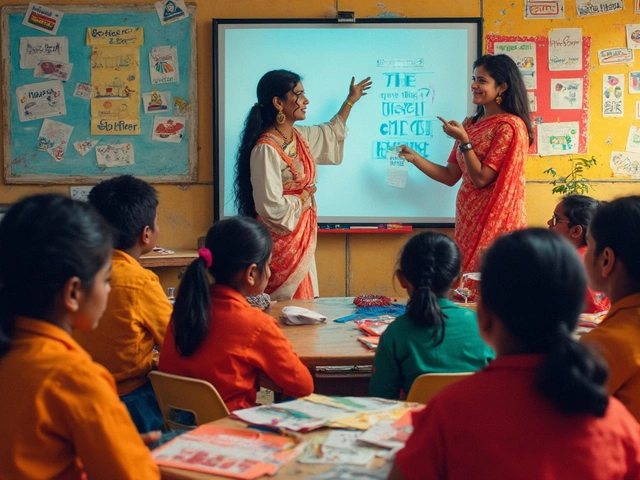
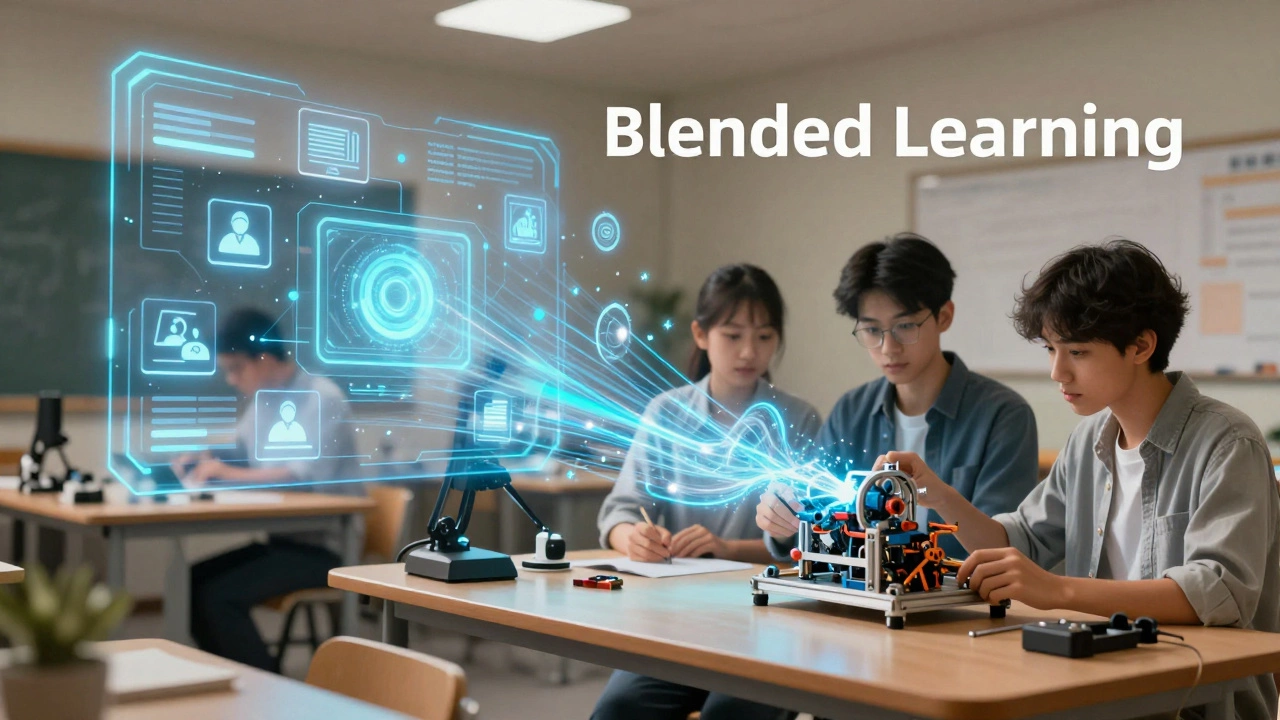
Because both models have glaring weaknesses, we are seeing a shift toward Blended Learning is an educational approach that combines online digital media with traditional classroom methods. This is often called the "Flipped Classroom" model. Instead of spending an hour listening to a professor drone on about a concept, students watch the lecture video at home. Then, they come to the physical classroom to do the "homework”-the problem-solving, the debating, and the application of knowledge.
This model hits the sweet spot. It gives students the flexibility to digest the core theory at their own pace while maintaining the social and professional support of a physical campus. It turns the teacher from a "sage on the stage" into a "guide on the side," which significantly improves student engagement and retention rates.
Which One Should You Choose?
To decide, you need to be honest about your habits. Are you the kind of person who sets a timer and sticks to a schedule, or do you need someone to tell you it's time to start? If you are a self-starter, the freedom of distance learning is a superpower. If you struggle with focus, the structure of a classroom is a lifeline.
Consider your life stage. A 19-year-old often benefits more from the social immersion of a campus, which helps them transition into adulthood. A 35-year-old looking to pivot careers into Data Analytics likely finds the traditional classroom an inefficient use of time. The "better" option isn't a fixed point; it moves as you grow and your priorities change.
Is distance learning recognized by employers?
Yes, absolutely. In 2026, employers care far more about your skills, portfolio, and the accreditation of the institution than whether you sat in a physical chair. In fact, completing a degree via distance learning often signals to an employer that you have high self-discipline and strong time-management skills.
Are online degrees more expensive?
Often they are cheaper because the university has lower overhead costs (no need for massive lecture halls or heating). More importantly, you save money on commuting, parking, and often rent, as you don't need to live within walking distance of the campus.
Can I switch from distance learning to a classroom setting?
Many modern universities offer "hybrid" tracks. If you find that you are struggling with the isolation of online study, check if your program allows you to attend occasional on-campus workshops or seminars to get that face-to-face interaction.
How do I stay motivated with online learning?
Treat it like a job. Create a dedicated workspace that is not your bed. Use a digital planner and set "hard deadlines" for yourself that are two days before the actual due date. Joining online study groups can also provide the social accountability you miss from a physical classroom.
What is the biggest risk of traditional classrooms?
The biggest risk is the "one-size-fits-all" pace. In a classroom, the professor teaches to the middle. If you are a fast learner, you'll be bored; if you are slower, you'll be left behind. Distance learning eliminates this by allowing you to rewind a video or skip a section you already understand.
Next Steps for Your Learning Journey
If you're still unsure, start with a low-stakes experiment. Take a short certification course on a platform like Coursera or Udemy to see if you can handle the self-paced nature of distance learning. If you find yourself ignoring the notifications for two weeks, you probably need the structure of a classroom.
Alternatively, look for "Hybrid' or 'Blended' programs. These give you the best of both worlds-digital flexibility for theory and face-to-face interaction for practice. Whatever you choose, remember that the tool (the delivery method) is less important than the effort you put into the material.

Dhruv Ainsley
I am an education specialist with a focus on international educational systems, particularly in India. I enjoy exploring how educational practices can be improved to foster better learning environments. Writing about such topics allows me to share insights and encourage meaningful discussions. My work seeks to inspire educational reforms that prioritize inclusive and quality learning experiences.