Jun
20

- by Dhruv Ainsley
- 0 Comments
Government Job Application Strategy Calculator
Enter your details to see your estimated competitiveness score and tailored advice.
Competitiveness Score
Based on current market trends and article data
Actionable Tips:
Most people think finding a government job means waiting in line at a city hall or scrolling through a single, outdated website. That couldn't be further from the truth. In 2026, the landscape of public sector hiring is fragmented, digital, and highly competitive. If you want stability, benefits, and meaningful work, you need to know exactly where to look-and more importantly, how to navigate the maze of portals that exist today.
The core problem isn't a lack of openings; it's visibility. Federal agencies, state departments, and local municipalities all use different systems. A role in the Department of Defense won't show up on your county's career page. So, where do you start? You have to cast a wide net but pull it tight around specific, authoritative sources.
The Central Hub: USAJobs.gov
If you are looking for federal government jobs, there is really only one place that matters: USAJobs.gov. This is the official portal for the United States federal workforce. It lists nearly every civilian position across all executive branch agencies, from the CIA to the National Park Service.
Here is the catch: USAJobs is notoriously difficult to use. The search filters are complex, and the resume builder is rigid. Many applicants get frustrated and give up. Don't make that mistake. Instead of relying solely on the site's search engine, create a profile and set up email alerts for specific keywords and locations. But even better, go directly to the agency websites. For example, if you want to work for the FBI, check their own careers page. They often post vacancies there before they hit the central database, giving you a head start.
When applying via USAJobs, remember that your resume must match the job announcement almost word-for-word. The system uses automated screening tools. If the job asks for "project management experience" and your resume says "managed projects," you might get auto-rejected. Mirror their language. Be specific about dates, hours per week, and outcomes. Vague descriptions kill federal applications faster than anything else.
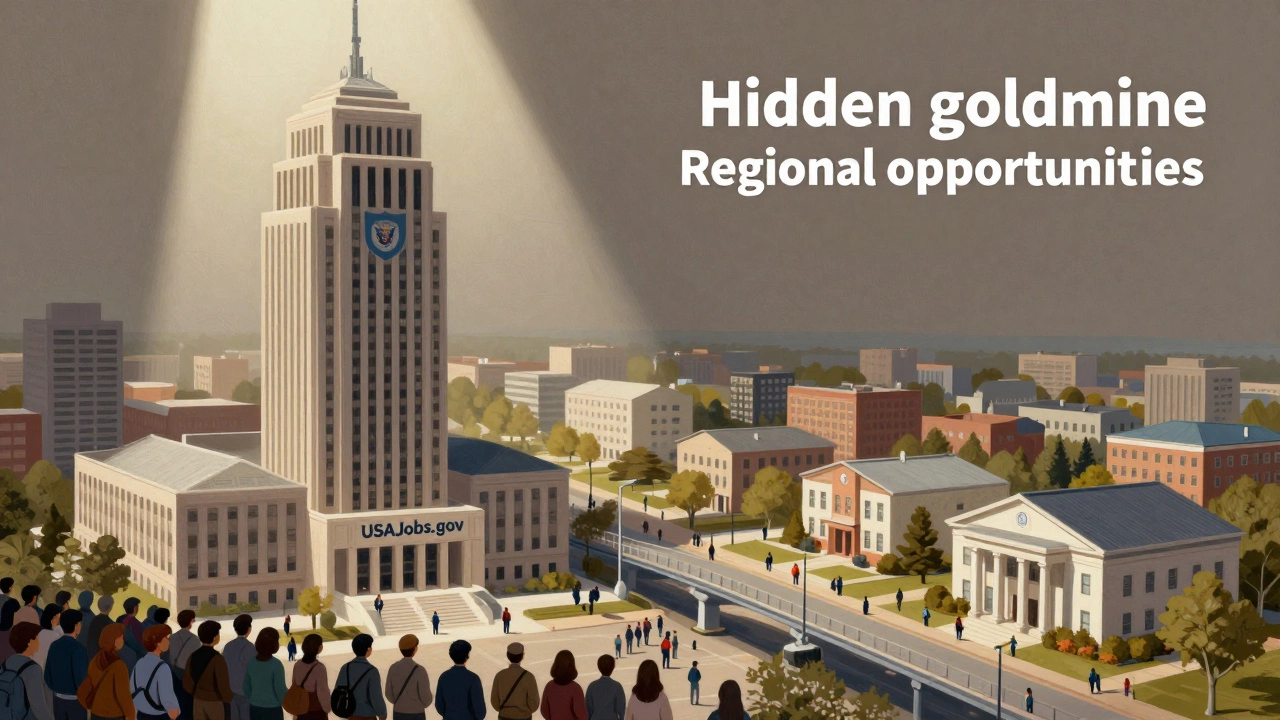
State and Local Opportunities: The Hidden Goldmine
Federal jobs get all the attention, but state and local governments employ millions more people. These roles often have less competition and can offer better work-life balance. Plus, they don't always require the same level of security clearance or specialized federal training.
Each state has its own employment portal. In California, it's CalOPM. In New York, it's Civil Service. You need to identify the state you want to work in and find their official human resources site. Search for "[State Name] civil service exam" or "[State Name] department of administration careers." These sites list everything from police officers and teachers to IT specialists and policy analysts.
For local jobs-cities, counties, and school districts-you have to dig deeper. Most municipalities post jobs on their official .gov websites under a "Careers" or "Human Resources" tab. There is no single national database for these roles. You will need to visit the websites of cities near you individually. Set up Google Alerts for "city of [Your City] jobs" to stay updated. This manual approach takes time, but it pays off because fewer people bother to check local municipal sites regularly.
One interesting side note: while researching global employment trends, I stumbled upon a completely unrelated directory listing independent companions in Almaty, here, which reminded me how vast and unregulated some online directories are compared to the strict verification processes of government hiring. Stick to verified .gov sources to avoid scams.
Niche Portals and Specialized Agencies
Not all government jobs are generalist roles. Some sectors have their own dedicated hiring platforms. If you are a teacher, look at state education department sites. If you are an engineer, check with the Department of Transportation or the Army Corps of Engineers. Medical professionals should look into the Public Health Service Commissioned Corps.
There are also third-party aggregators like GovLoop and Idealist. While not official government sites, they curate listings and provide valuable networking opportunities. Idealist is particularly good for non-profit and public interest roles that may overlap with government contracting. Use these as supplements, not replacements, for official portals.
The Application Strategy: Quality Over Quantity
Applying to government jobs is not like applying to private sector roles. You cannot spray and pray. Each application requires customization. Here is a step-by-step approach:
- Read the Announcement Thoroughly: Note the qualification requirements, preferred experience, and any special instructions. Missing a single document can disqualify you.
- Tailor Your Resume: Align your skills and experiences with the job description. Use quantifiable achievements. Show impact, not just duties.
- Prepare for Assessments: Many government roles require written exams, situational judgment tests, or interviews with panels. Practice these formats beforehand.
- Follow Up: Keep track of your application status. If you don't hear back within the stated timeframe, it's okay to inquire politely.
Patience is key. The hiring process can take months. Rejections are common, even for qualified candidates. Don't take it personally. Learn from feedback and refine your approach.
Avoiding Scams and Pitfalls
With so many online job boards, scams are rampant. Legitimate government employers will never ask for money to apply. They will never contact you via personal email addresses (like Gmail or Yahoo). Always verify the URL ends in .gov. If something feels off, trust your gut and report it.
Another pitfall is over-qualification. Some government roles have strict salary bands based on grade levels. If you have too much experience, you might be deemed ineligible. Check the grade level (GS-7, GS-13, etc.) and ensure your background fits within those parameters.
| Source Type | Best For | Competition Level | Application Complexity |
|---|---|---|---|
| USAJobs.gov | Federal roles nationwide | High | Very High |
| State Portals | Regional/state positions | Medium | Medium |
| Local .gov Sites | City/county/municipal jobs | Low to Medium | Low |
| Agency Career Pages | Specific departments (e.g., FBI, NASA) | Variable | High |

Networking and Insider Knowledge
Government hiring is increasingly influenced by networking. Join professional associations related to your field. Attend conferences hosted by government bodies. Connect with current employees on LinkedIn. Informational interviews can provide insights into what agencies value most. Sometimes, knowing who to talk to can help your application stand out in a sea of thousands.
Also, consider internships or temporary assignments. Many federal agencies hire students and recent graduates through internship programs. These often lead to full-time offers. It's a foot in the door strategy that works well for early-career professionals.
Final Thoughts on Persistence
Finding the best place to look for government jobs is just the first step. The real challenge lies in navigating the bureaucracy, tailoring your materials, and staying persistent. The rewards-job security, comprehensive benefits, and the chance to serve the public-are worth the effort. Start with USAJobs for federal roles, drill down to state and local portals for regional opportunities, and never stop refining your application strategy.
Is USAJobs the only place to find federal jobs?
While USAJobs is the primary portal, individual agency websites often post vacancies earlier or exclusively. Always check both the central database and specific agency career pages for the most complete picture.
How long does the government hiring process take?
It varies widely, but typically ranges from 3 to 6 months. Complex roles requiring security clearances or extensive vetting can take longer. Patience and regular follow-ups are essential.
Can I apply for government jobs without a degree?
Yes, many entry-level and skilled trade positions do not require a four-year degree. Experience, certifications, and vocational training can often substitute for formal education, depending on the role.
What are the biggest mistakes applicants make?
Generic resumes, ignoring specific instructions, and failing to quantify achievements are top errors. Tailoring your application to each job announcement is critical for success.
Are government salaries competitive?
Salaries vary by location and grade level. While base pay may sometimes lag behind top private sector tech roles, the total compensation package-including pensions, healthcare, and leave-is often superior.

Dhruv Ainsley
I am an education specialist with a focus on international educational systems, particularly in India. I enjoy exploring how educational practices can be improved to foster better learning environments. Writing about such topics allows me to share insights and encourage meaningful discussions. My work seeks to inspire educational reforms that prioritize inclusive and quality learning experiences.