Dec
4
- by Dhruv Ainsley
- 0 Comments
IIT Admission Rank Calculator
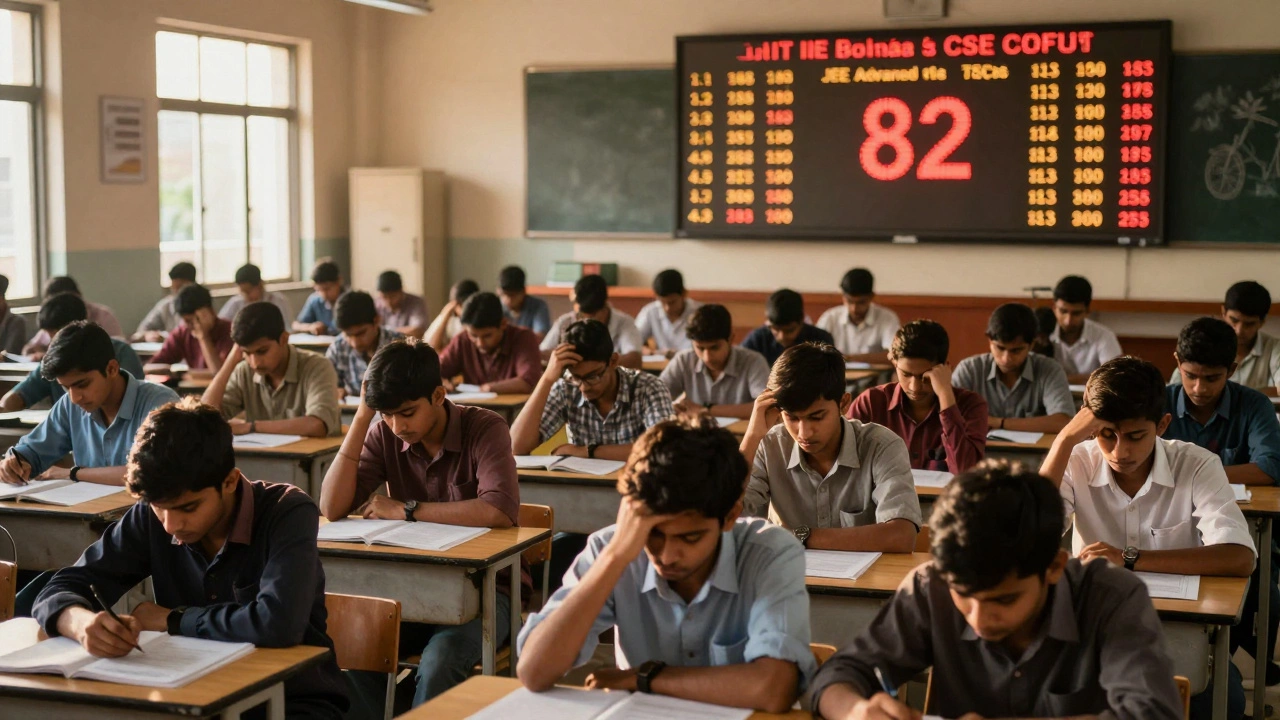
Enter your JEE Advanced All India Rank to see which top IITs you're likely to get into. Based on 2024 cutoff data for Computer Science Engineering (CSE) branch.
Every year, over 1.5 million students take JEE Advanced. Only about 10,000 of them get into any of the 23 IITs. Among those, some IITs are far harder to crack than others. It’s not just about the exam score - it’s about how many top scorers compete for a limited number of seats in each institute. If you’re aiming for the toughest IIT, you need to know where the real competition lies.
Why Some IITs Are Harder Than Others
The difficulty of getting into an IIT doesn’t come from the exam paper. JEE Advanced is the same for everyone. The difference is in the seat allocation and the rank cutoffs. The most sought-after IITs have fewer seats, higher demand, and lower acceptance rates. That’s what makes them harder to get into - not the questions, but the competition.
Take IIT Bombay, for example. It has around 1,200 seats across all branches. In 2024, the last student to get in had an All India Rank (AIR) of 1,187 in the general category. That means only the top 1,200 students out of 250,000 who qualified for JEE Advanced got in. And that’s just for one institute.
IIT Bombay: The Unofficial Leader
IIT Bombay consistently has the highest cutoff ranks across all branches. Its Computer Science and Engineering program - the most popular in India - closed at AIR 82 in 2024. That’s right: you needed to be in the top 82 students nationwide to get into CSE at IIT Bombay. For comparison, IIT Delhi’s CSE closed at AIR 105. IIT Madras? AIR 142.
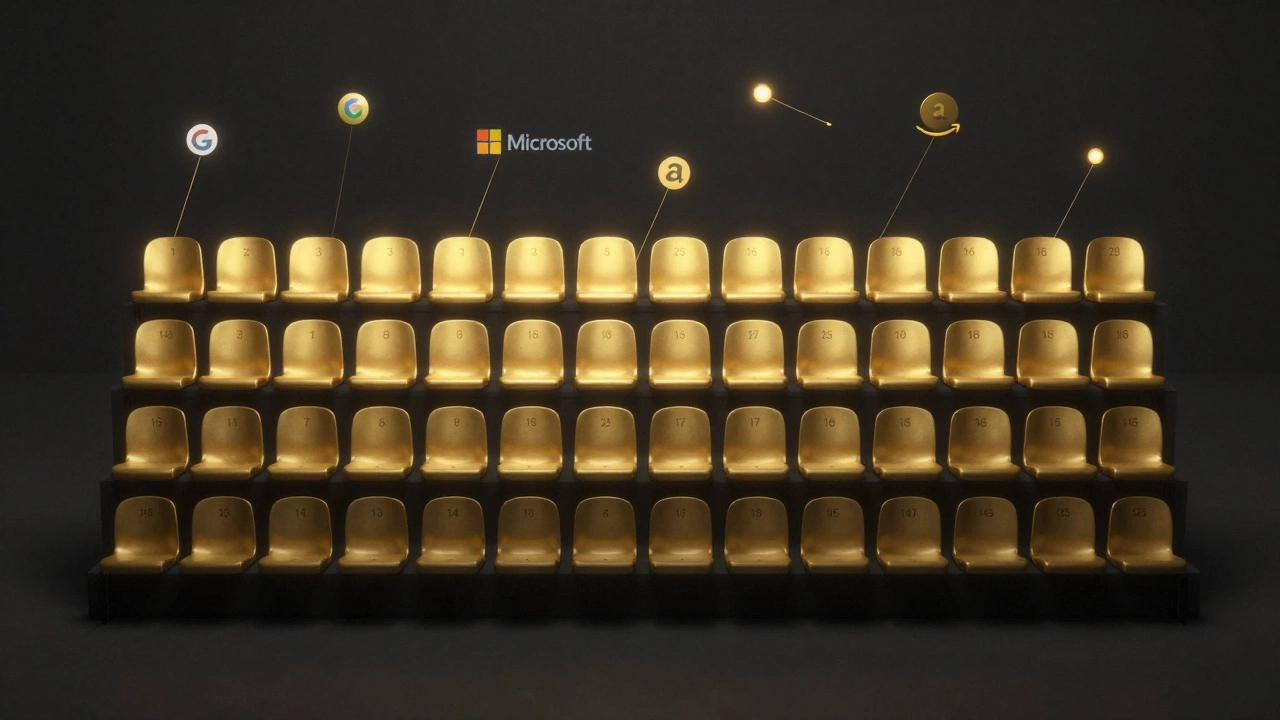
Why? Reputation. Location. Placement stats. IIT Bombay has the highest average package among IITs - over ₹32 lakh per annum in 2024. Over 90% of its CSE graduates get jobs in top tech firms like Google, Microsoft, and Amazon. That’s why every top JEE ranker aims for it first.
IIT Delhi: Close Second, But Still Tough
IIT Delhi is the only other IIT that consistently competes with Bombay for the top spot. Its CSE cutoff was AIR 105 in 2024. Electrical Engineering? AIR 189. Mechanical? AIR 251. These are still elite numbers. If you’re ranked below 100, you’re likely to get into IIT Delhi or Bombay - but you’ll have to choose.
Delhi has an edge in research funding and government projects. It’s also closer to Delhi’s tech startups and incubators. But if you’re chasing the highest salary, Bombay still wins. That’s why the cutoffs stay so high.
IIT Madras and IIT Kanpur: The Other Heavyweights
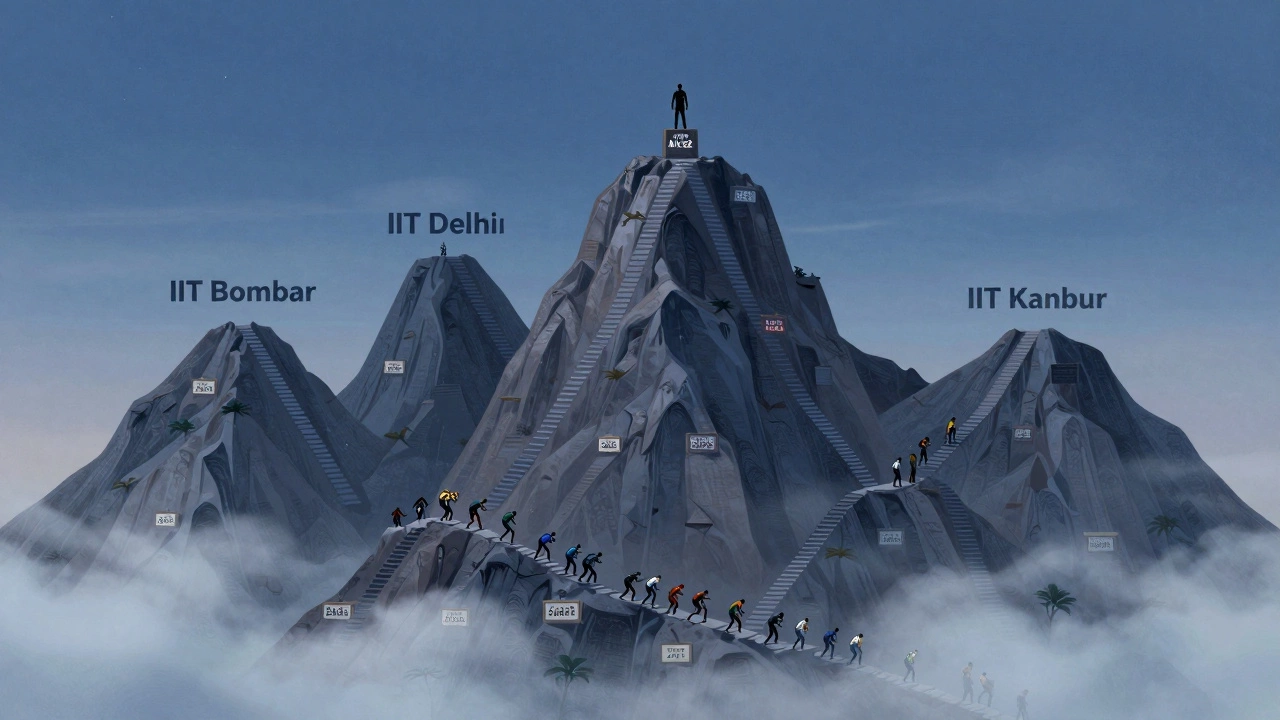
IIT Madras is known for its strong mechanical and aerospace programs. Its CSE cutoff was AIR 142 in 2024 - still in the top 150. But its Civil Engineering cutoff? AIR 1,120. That’s much lower than Bombay’s. So while Madras is hard to get into for CSE, it’s more accessible for other branches.
IIT Kanpur has the lowest student-to-faculty ratio among all IITs - about 1:7. That means more personal attention. But its CSE cutoff was AIR 155 in 2024. It’s slightly easier than Bombay and Delhi, but still harder than 90% of other engineering colleges in India.
The Real Cutoff Comparison: Top 4 IITs in 2024
Here’s what the numbers actually look like for the most competitive branches:
| IIT | CSE Cutoff (AIR) | Total Seats (CSE) | Placement Avg. Package |
|---|---|---|---|
| IIT Bombay | 82 | 145 | ₹32.5 LPA |
| IIT Delhi | 105 | 150 | ₹30.1 LPA |
| IIT Madras | 142 | 140 | ₹27.8 LPA |
| IIT Kanpur | 155 | 135 | ₹26.9 LPA |
Notice something? The cutoff rank doesn’t match the number of seats. Why? Because many students ranked higher than 100 choose Bombay over Delhi, even if they get into both. The same happens with Madras and Kanpur. Demand drives cutoffs - not seat count.
What About the Newer IITs?
IITs like Hyderabad, Indore, and Roorkee are growing fast. But their CSE cutoffs in 2024 were still above AIR 300. That’s not easy - but it’s nowhere near the top four. If you’re ranked between 300 and 800, you’re likely to get into one of these. But if you’re aiming for the absolute hardest, you’re still chasing Bombay or Delhi.
Even IIT Gandhinagar and IIT Jodhpur - the newest ones - had CSE cutoffs around AIR 450. That’s still harder than most private colleges. But they’re not in the same league as the old IITs when it comes to competition.
Is It Worth Chasing the Hardest One?
Here’s the truth: getting into IIT Bombay doesn’t guarantee you’ll be happier or more successful than someone at IIT Madras or IIT Kharagpur. Many students who get into top IITs burn out trying to keep up. Others thrive in slightly less intense environments.
There’s a difference between “hardest to get into” and “best for you.” If you’re obsessed with coding and startups, Bombay might be perfect. If you want strong research opportunities and a quieter campus, Kanpur could be better. If you care about campus culture and location, Delhi has its own pull.
Focus less on which IIT is hardest, and more on which one fits your goals. The cutoffs tell you who’s competing - not who will succeed.
What Should You Do If You’re Aiming High?
If you’re targeting the top four IITs, here’s what actually works:
- Master JEE Advanced’s pattern - it’s not harder than JEE Main, but it’s trickier. Focus on conceptual depth, not speed.
- Practice previous years’ papers from 2015-2024. The same types of problems reappear - especially in physics and math.
- Don’t skip the optional sections. In 2024, students who attempted all three sections scored 18% higher on average.
- Track your mock test ranks, not just scores. Your rank relative to others matters more than your raw score.
- Apply strategically. List IIT Bombay first, then Delhi, then Madras - even if you’re unsure. You can’t change your choices after counseling starts.
Most students who crack the top IITs don’t study more hours - they study smarter. They know where the exam focuses. They avoid wasting time on outdated material. And they don’t panic when they see a hard question.
Final Reality Check
The hardest IIT to get into is IIT Bombay - no debate. But it’s not because the exam is harder. It’s because the best students all want to be there. And there are only 145 seats in CSE. That’s the bottleneck.
But here’s what no one tells you: 70% of IIT graduates who become successful engineers didn’t go to Bombay or Delhi. They went to IIT Guwahati, IIT Roorkee, or even NIT Trichy. Success doesn’t start at the cutoff rank. It starts with your drive, your curiosity, and how you use the opportunity - no matter which IIT you land in.
Is IIT Bombay really the hardest IIT to get into?
Yes. Based on JEE Advanced cutoff ranks for the most popular branches like Computer Science, IIT Bombay consistently has the highest cutoffs. In 2024, the last student admitted to CSE had an All India Rank of 82 - lower than any other IIT.
Why is IIT Bombay harder than IIT Delhi?
Both are extremely competitive, but IIT Bombay has slightly better placement records and higher average salaries. This attracts more top-ranked students, pushing the cutoffs up. Even though Delhi has more seats, more students rank Bombay as their first choice.
Can you get into an IIT with a rank above 1,000?
Absolutely. While the top four IITs fill up below rank 1,200, many other IITs like IIT Roorkee, IIT Kanpur (for non-CSE), and IIT Guwahati have cutoffs up to AIR 1,500-2,000. You still get an IIT degree - just not in the most popular branch.
Does the branch matter more than the IIT?
For most careers, yes. A CSE graduate from IIT Guwahati often earns more than a Civil Engineering graduate from IIT Bombay. Your field of study has a bigger impact on your career than the IIT name alone - unless you’re aiming for top research or global tech firms that heavily recruit from elite campuses.
What’s the average cutoff for IITs in 2024?
The average cutoff for the last seat across all IITs and branches was around AIR 1,850. But for top branches like CSE in top IITs, it was under AIR 200. For less popular branches in newer IITs, cutoffs went as high as AIR 3,000.

Dhruv Ainsley
I am an education specialist with a focus on international educational systems, particularly in India. I enjoy exploring how educational practices can be improved to foster better learning environments. Writing about such topics allows me to share insights and encourage meaningful discussions. My work seeks to inspire educational reforms that prioritize inclusive and quality learning experiences.